
Automated Cell Culture Platform
Automated parallelized cell culture platform for long-term cell perfusion
Highly controlled environment
Highly controlled extracellular environment with stable flow
Up to 4 independent cell cultures
Save time and improve reproducibility
Up to 3-week cell cultures
Less manual work and more accuracy
Compatible with CO2 incubator
Adapted to standard CO2 incubators and biosafety hoods
Need a microfluidic SME partner for your Horizon Europe project?
Automated cell culture platform
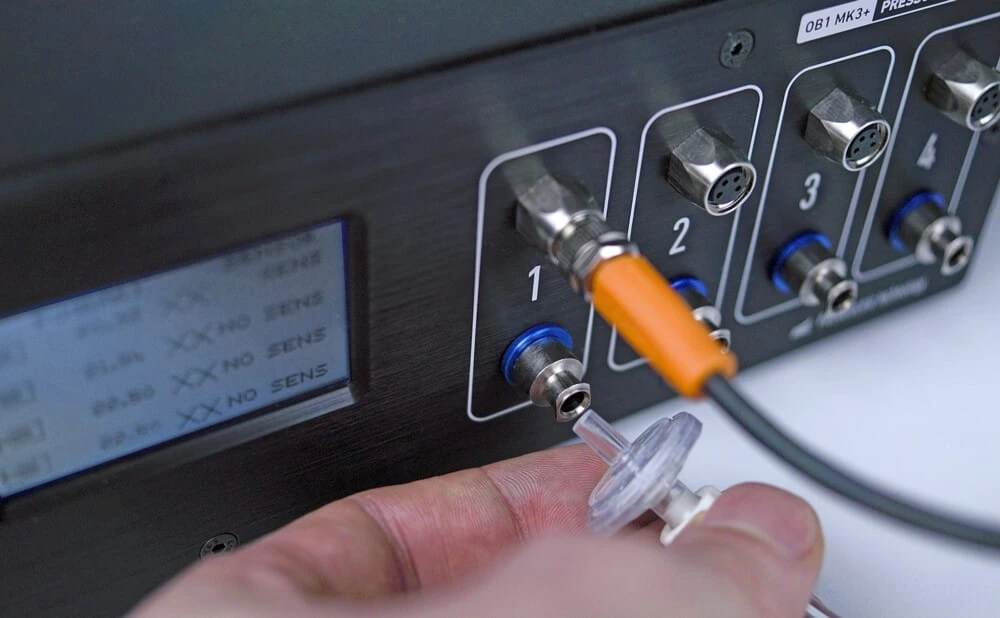
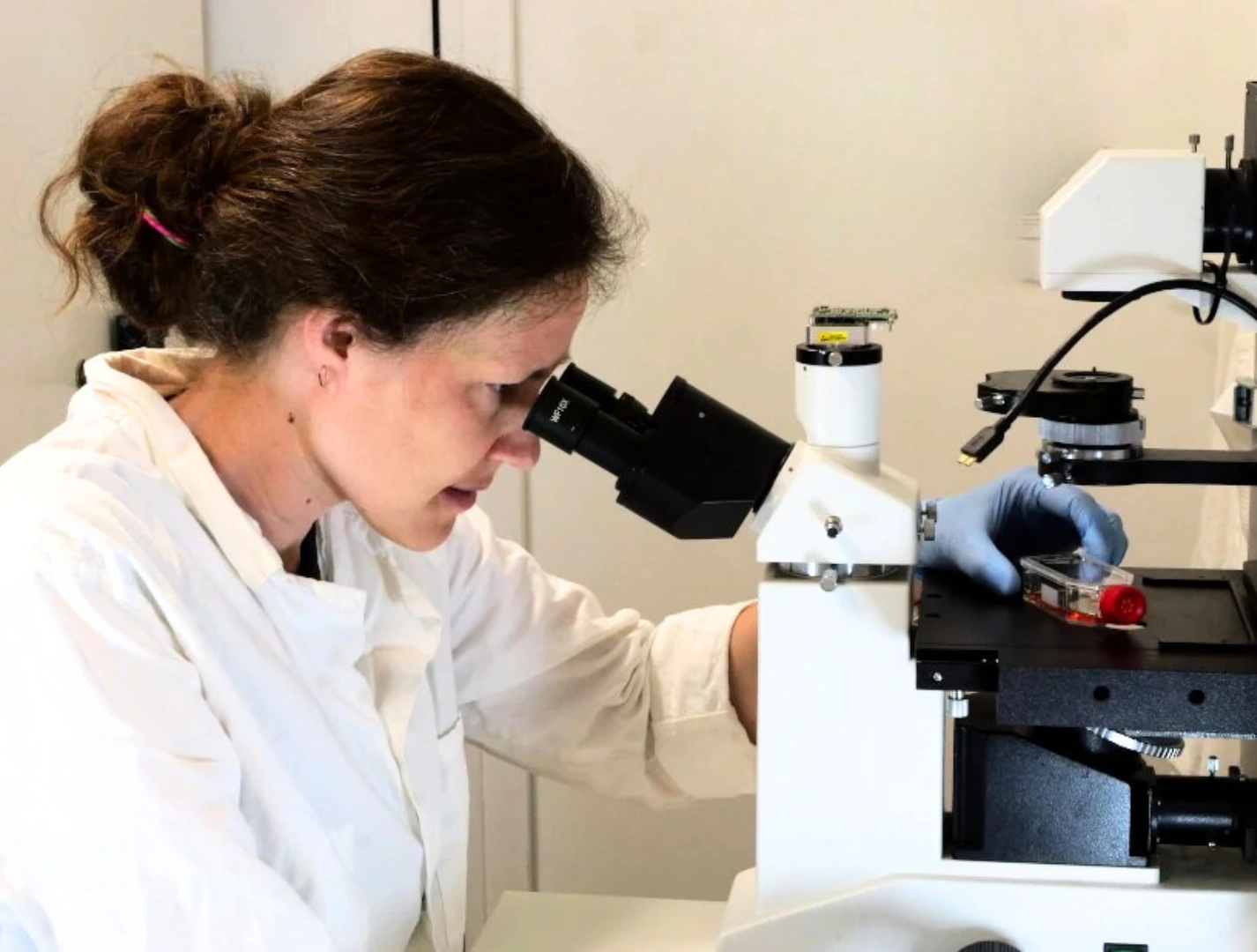
Highly controlled microenvironment
We have put together the best of our flow control technology to provide your dynamic cell culture with stable flow at a wide range of flow rates. Our cell culture platform is the perfect companion for your dynamic cell culture research, whether you culture cells for short experiments or days on end.
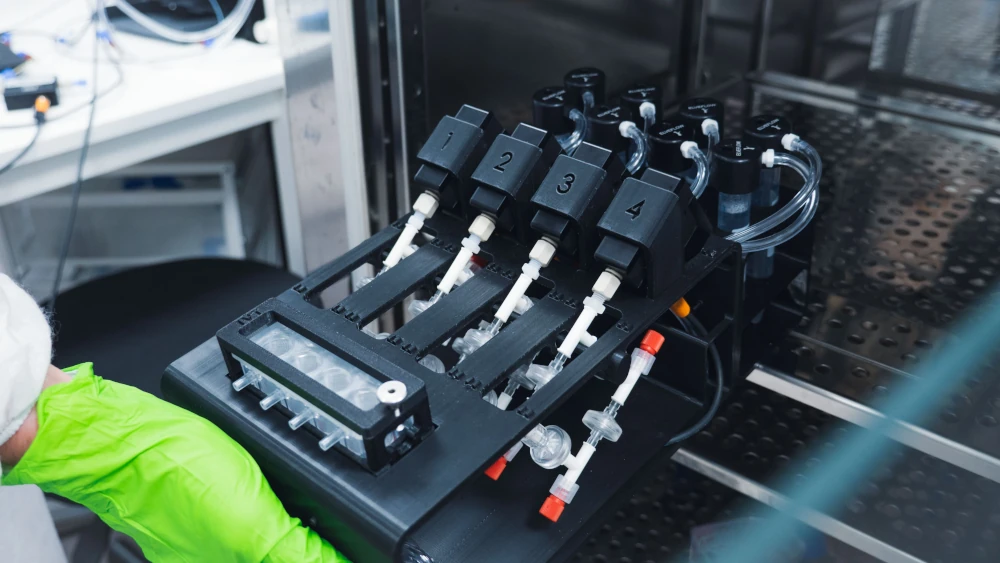
Up to 4 parallel and independent cell cultures
To save time and increase the reproducibility of your results, our cell culture platform allows you to perform up to 4 cell cultures independently and simultaneously.
Enrich your media with metabolites with our compact recirculation bridge
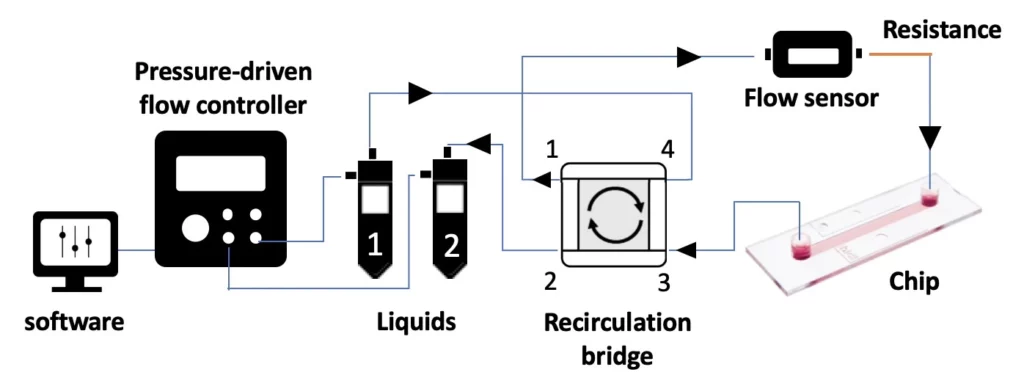
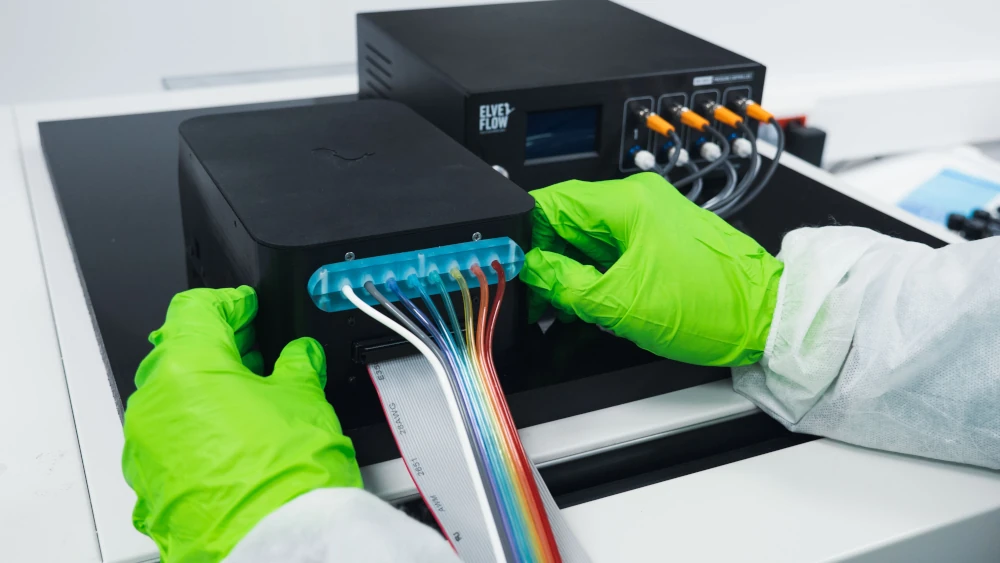
Plug and play assembly
Enough with the complicated assemblies! With our microfluidic cell culture platform, you can connect and control up to 8 reservoirs with a click.
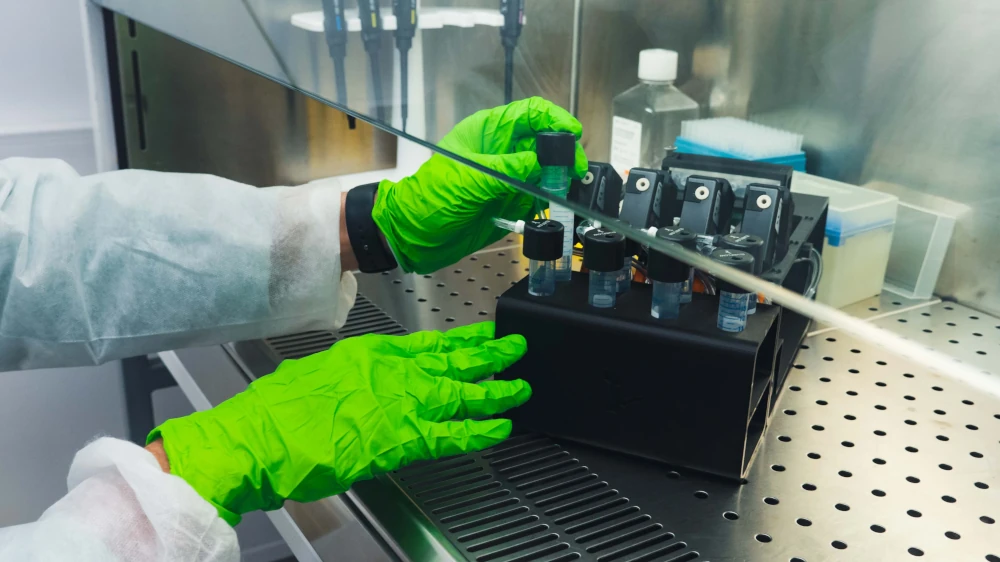
Compatible with standard CO2 incubators and biosafety food
Designed to fit seamlessly with your regular labwork routine, our cell culture platform fits in standard CO2 incubators and biosafety hoods. The cell culturing platform is portable and can be assembled under the biosafety hood.
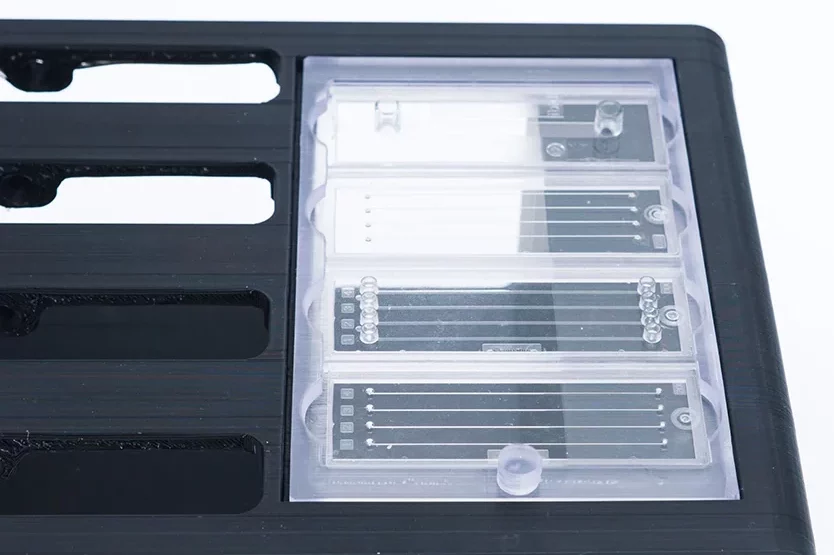
Easily adapted to microscope stages
Our Microfluidic cell culture platform is equipped with two culturing chamber options. You can choose between a slide holder that fits into standard microscope stages or a bioreactor for 3D or low-shear cell culture. In both cases, you can conveniently transfer your samples from the system to the microscope for imaging.
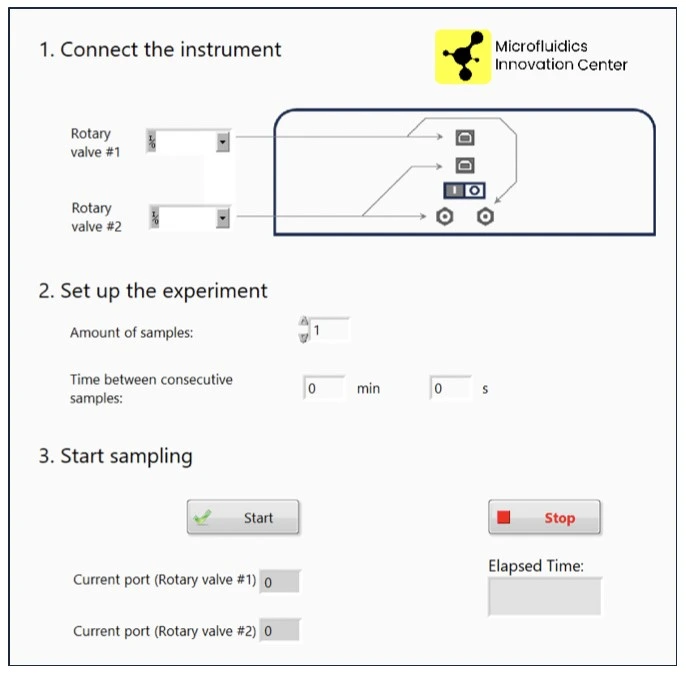
Automation and control with a single software interface
User-friendly and intuitive software to get started in a few clicks and further automate the most complex and long-lasting experiments. If you need more flexibility, SDK libraries to control the system with your code and to involve third parties instruments are also available.
Microfluidic cell culture applications
Traditional cell culture, that is, culturing cells in static conditions in flasks, is responsible for many advances in modern cell biology, such as developing the polio vaccine and discovering the connection between cancer and viruses [1]. However, this reductionist approach lacks important parameters for cell growth, such as shear stress and mechanical stimulus [2].
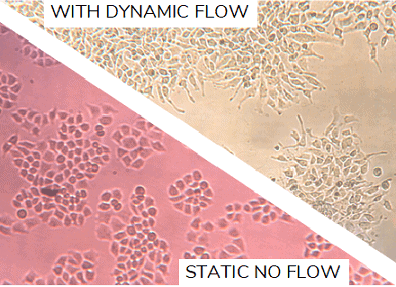
Microfluidic cell culture has gained relevance for enabling a more physiologically relevant microenvironment for cell growth, promoting more -like phenotypes, as seen in the image below. Moreover, it allows better usage of resources, as it can handle small volumes of media and automate manual tasks, freeing researchers from the labor-intensive requirements of traditional cell culture. Cells can be cultured in microfluidic chips, microfluidic perfusion chambers, or bioreactors, depending on the intended application [3].
Some applications of our microfluidic cell culture system include:
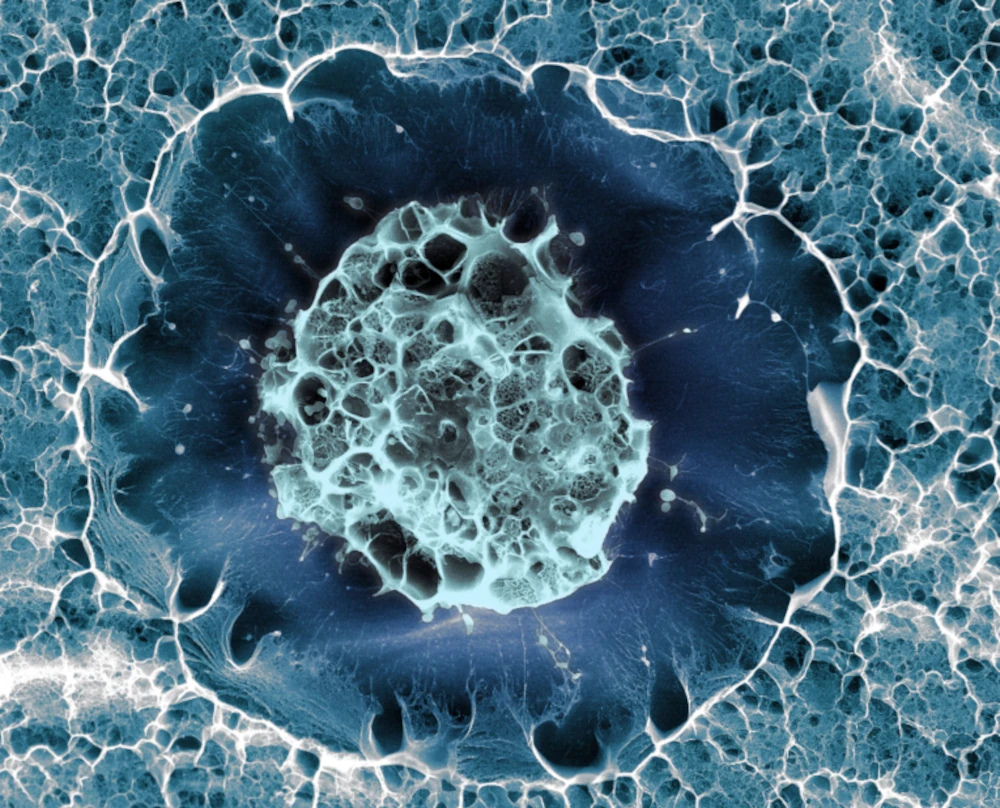
Stem cell culture
Automated and fail-safe long-term microfluidic cell culture system.
✓ Highly controlled microenvironment
✓ Fail-safe mechanism
✓ Automated sequences
Stem cell culture
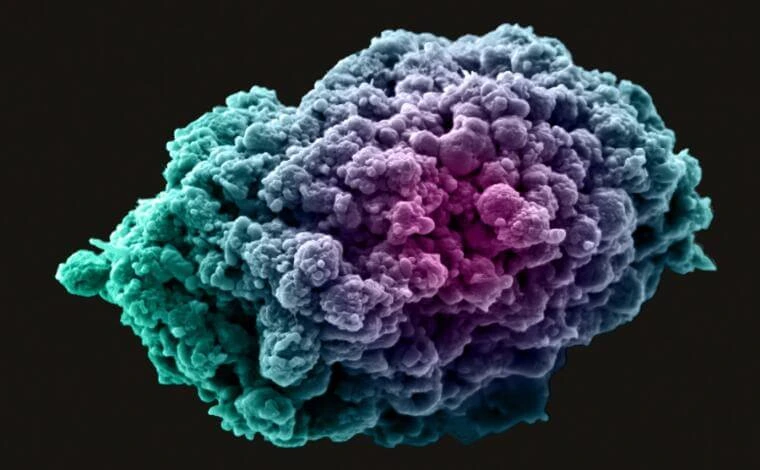
Microfluidic spheroid cell culture
Plug-and-play instrument pack for automated scaffold-free 3d cell culture technique.
✓ Multiple Parallel culture of Spheroids
✓ Automated Spheroid Perfusion
✓ More Physiologically Relevant Model
Microfluidic spheroid cell culture
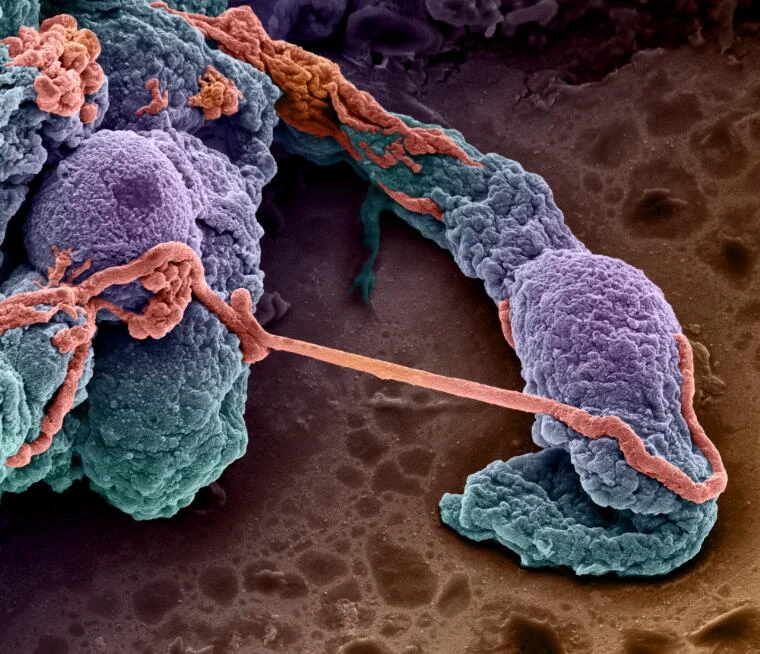
Blood-brain barrier on chip
Plug-and-play instrument pack for long term BBB on a chip study
✓ Relevant microenvironment
✓ Automatized organ-on-chip perfusion
✓ Plug-and-play microfluidic platform
Blood-brain barrier on chip
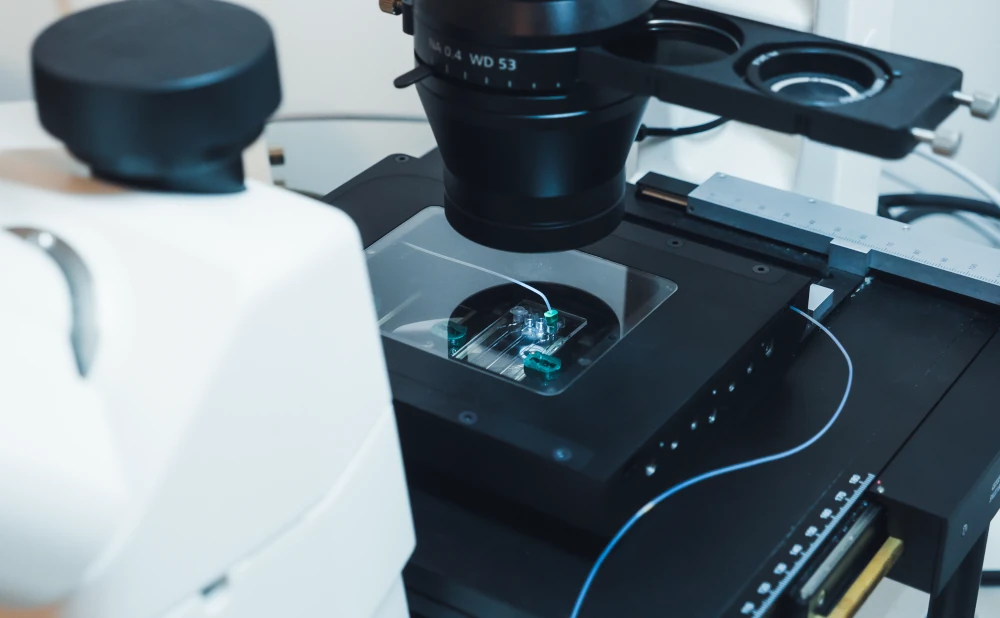
Live cell imaging
Keep ideal temperature and see your cells’ development in real time
✓ Accurate temperature control
✓ Up to 3 simultaneous devices
✓ For static or flow conditions
Live cell imaging
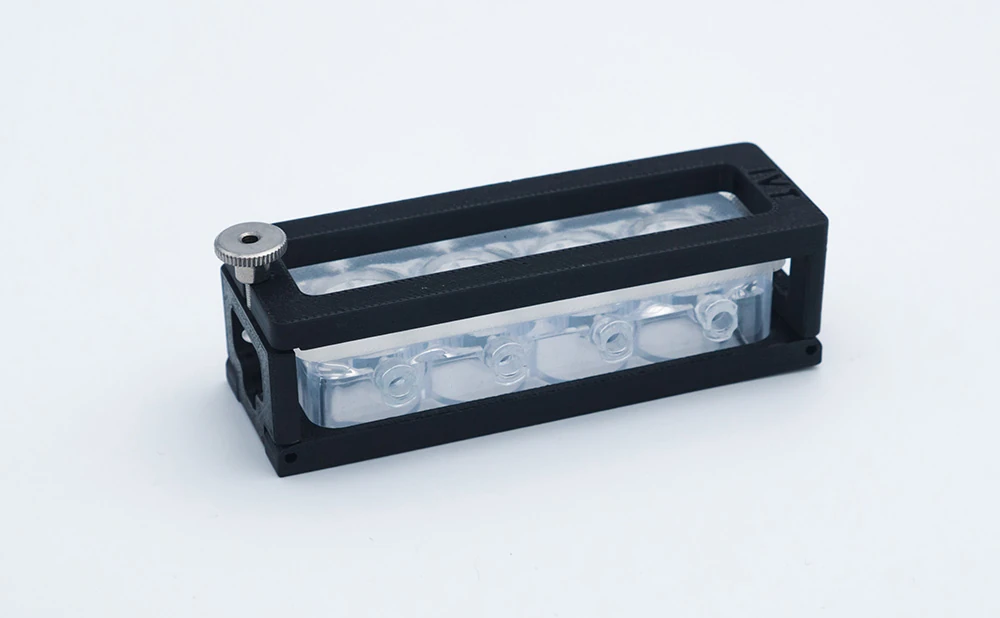
Sheer stress
Cell culture system for shear-sensitive cell lines
✓ Safe Neuron Culture Under Flow
✓ Highly Controlled Microenvironment
✓ Up to 3-week Long Cell Cultures
Sheer stress
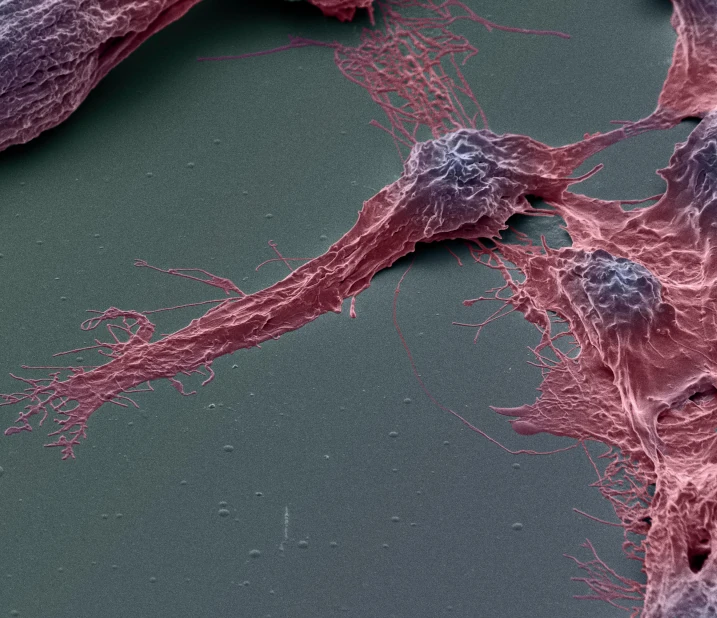
Cancer invasion and metastasis
Follow long-term cancer cell migration in real time on top of the microscope
✓ Keep Ideal Temperature Conditions
✓ Follow Cancer Cell Migration in Real Time
✓ Adapted to Cultures Under Flow
Cancer invasion and metastasis
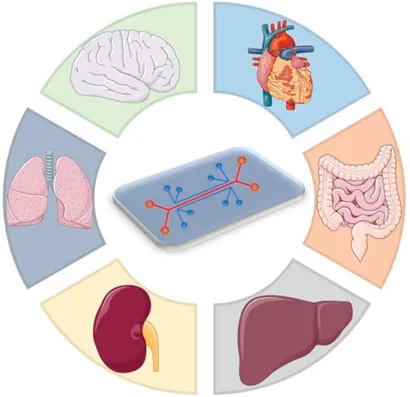
Organ-on-a-chip
Organ-on-a-chip technology emerged in the early 21st century as a revolutionary approach to simulate human organ functions in vitro.
Organ-on-a-chip
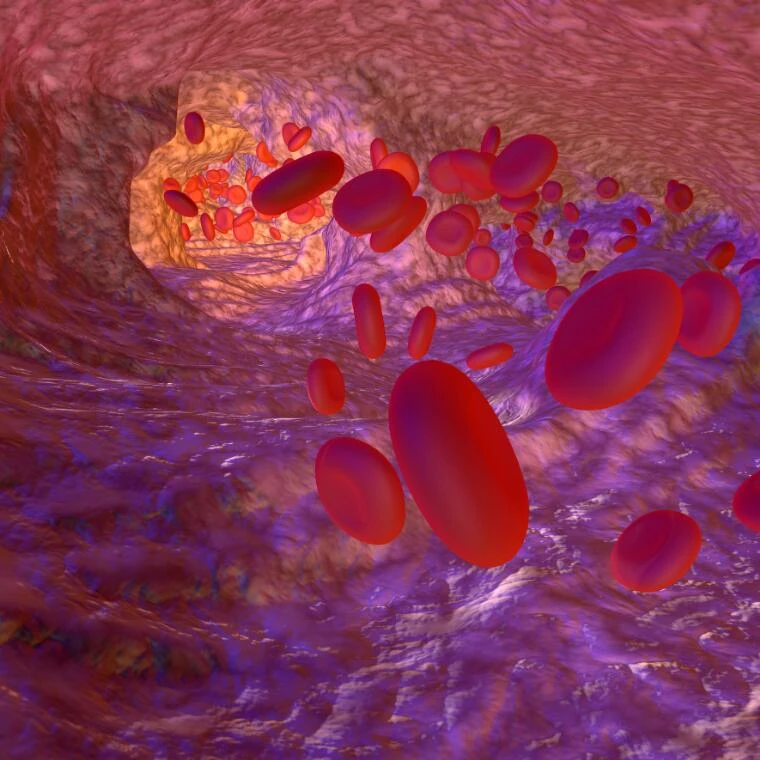
Blood-vessel-on-chip pack
Reproduce physiological flow conditions for vasculature assays
✓ Reproduce Physiological Shear Stress
✓ Unindirectional Flow
✓ Use the Device of Your Preference
Blood vessel formation & occlusion (Atherosclerosis)
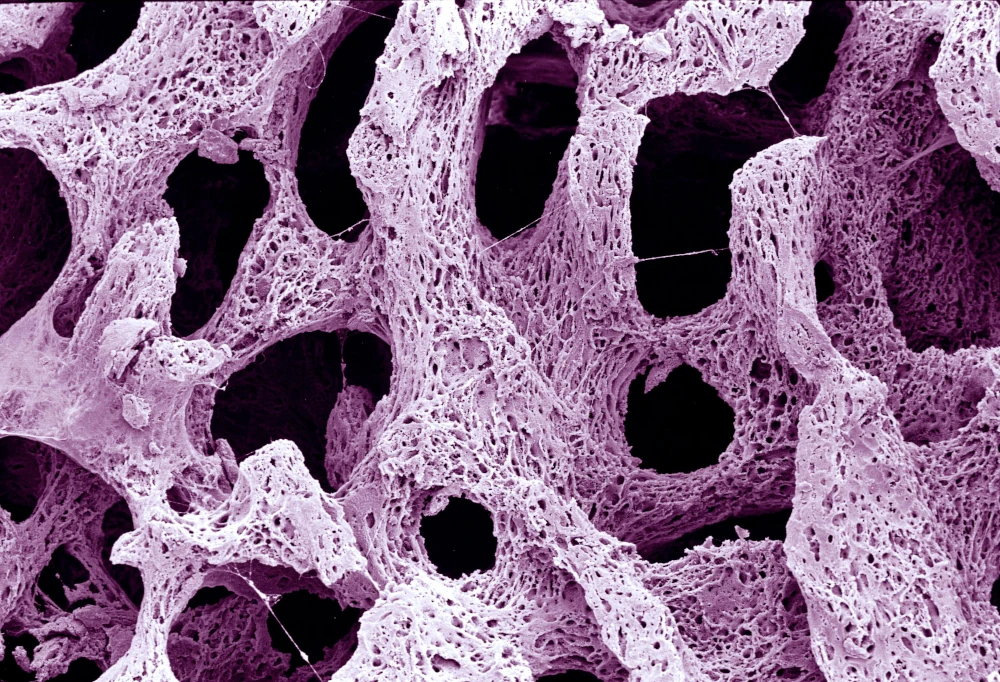
Bone-on-a-chip pack
Easily mimic the complex bone physiology and extracellular environment
✓ Control Complex Microenvironments
✓ Up to 3-week Long Cell Cultures
✓ Fail-Safe Mechanism
✓ Plug-and-Play Platform
Bone homeostasis and disease (Osteoporosis)
Drug screening
Immune response
Cell rolling-adhesion assay
Models of physiology and disease
And many more!
References
1. Lyapun, I. N., Andryukov, B. G. & Bynina, M. P. HeLa Cell Culture: Immortal Heritage of Henrietta Lacks. Mol. Genet. Microbiol. Virol. 34, 195–200 (2019).
2. Coluccio, M. L. et al. Microfluidic platforms for cell cultures and investigations. Microelectron. Eng. 208, 14–28 (2019).
3. Mehling, M. & Tay, S. Microfluidic cell culture. Curr. Opin. Biotechnol. 25, 95–102 (2014).
Cell culture technical specifications
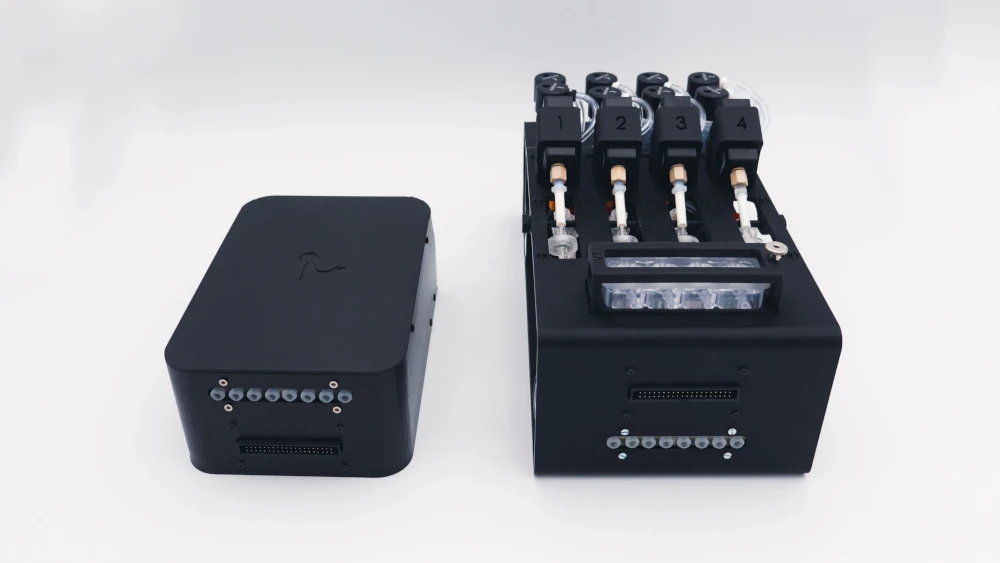
The cell culture system comprises a perfusion platform and a pressure splitter. The fluid flow is controlled by a flow controller.
The table summarizes the main specifications of the cell culture system.
| Components | Technical Specifications |
|---|---|
| OB1 MK4 (Elveflow) | 4 Channels (0 to 2000 mbar) |
| Microfluidic Flow sensor | Range from 0 to 5 mL/min |
| Recirculation loop | 4 check valves, polycarbonate, male Luer; compatible with 1/4″-28 standard microfluidic fittings |
| Pressure splitter (Elveflow) | Valve controller with integrated solenoid valves for compressed air |
| Cell culturing chamber | Microfluidic chips (2.55 x 7.55 cm) or Livebox 1 bioreactor (1,5 mL internal volume, IVT) |
The cell culture system is compatible with standard incubator conditions (37 oC, 5 % CO2, and 95 % humidity). Electronic components (except flow sensors) should be kept outside the incubator.
Customize your pack
Our instruments can be added to different setups depending on your specific needs. In this light, our microfluidic specialists will advise you on the best instruments and accessories depending on your needs and will accompany you during the system’s setup.
Frequently asked questions
What can be placed inside the incubator?
The cell culture platform and the embedded flow sensors can be placed inside the CO2 incubator. The OB1 and the pressure splitter should be kept outside.
What type of cells can be cultured with the platform?
The platform can be used to culture any cell type, as the culture media can be adjusted according to the cells’ needs, and the cell culturing chamber can be replaced by the required design.
Can the platform be sterilized/autoclaved?
The components of the cell culture platform can be sterilized. Our user guide provides detailed information on how to do it.
Is the platform compatible with microscopes/live cell imaging?
Yes, the system handles four microfluidic chips consecutively into a holder that fits a standard microscope stage. In the bioreactor case, LiveBox 1 bioreactors from IVT are compatible with live cell imaging.
Download the MIC Horizon Europe 2026/2027 Calls Calendar:


Funding and Support
The ALTERNATIVE project developments helped develop this instrument. This project is funded by the European Union’s H2020-LC-GD-2020-3, grant agreement No. 101037090.
Products & Associated Accessories
FAQ - Automated Cell Culture Platform
What is the automated cell culture platform, and what problem does it solve?
The Automated Cell Culture Platform is designed to be used in automated, parallelized, and incubator-compatible microfluidic cell culture platform for long-term perfusion with stable flow. Even though it proved to be successful in the past, the conventional monoculture cell culture method using flasks fails to provide significant physiological parameters such as shear stress, mechanical stimulation, and dynamic nutrition delivery.
This platform deals with these restrictions through:
- Controlled extracellular circulation environment,
- Recirculation and supply of fluid by means of automation,
- Increasing the reproducibility of experimental replicates and reducing the human effort of the traditional culture approaches.
It can be of great use to researchers who need physiologically relevant in vitro models during extended durations of time.
What is the number of independent cell cultures that could be operated at a time?
The platform can sustain 4 distinct and parallel cell cultures. Since each culture is operating separately, a large number of cell types, media combinations, or experimental conditions can be tested at a time. This parallel capacity can significantly reduce the time needed to conduct the experiment, save reagents, and increase the statistical reliability of findings through the provision of actual biological replicates that are provided under similar conditions.
What is the duration of the existence of cultures on this platform?
The device can maintain cell cultures in three weeks. Cells are continually perfused by four distinct recirculation loops that maintain unidirectional media flow, which becomes progressively enriched with metabolites which allows a long period of culture. When these long trials are in process, the built-in fail-safe practices of the system can help to ensure that equipment failure does not disrupt cultures.
What is the recirculation loop and why does it matter?
The recirculation loop is one of the major elements of the platform. It offers two key advantages in that it allows continuing the circulation of small portions of cultural media but not their whole replacement:
- Resource efficiency: Unlike in a short experiment, there is reduced use of media.
- Metabolite enrichment: The capability of cells to enrich the media with their own secreted factors has been useful in studies of paracrine signaling, stem cell niche modeling and physiologically relevant micro environments.
The four recirculation loops of each platform are built using polycarbonate check valves and in 1 /4-28 standard microfluidic fittings.
What are the possible cell types that can be cultured under this system?
The platform is compatible with nearly all types of cell, some applications of our microfluidic cell culture system include:
- Stem cell culture
- Blood-brain barrier on a chip
- Live cell imaging
- Sheer stress
- Cancer invasion and metastasis
- Organ-on-a-chip
- Blood vessel formation & occlusion (Atherosclerosis)
- Bone homeostasis and disease (Osteoporosis)
- Drug screening
- Immune response
- Cell rolling-adhesion assay
- Models of physiology and disease
What is the incubator and biosafety environment that the platform is compatible with?
This cell culture platform can be assembled within a biosafety hood and is fully compatible with standard CO2 incubators (37°C, 5% CO 2, 95% humidity). Both the integrated flow sensors and the cell culture platform can be placed within the incubator. The pressure splitter and OB1 pressure controller, however, are electronic, and therefore must be kept outside of the incubator.
This design ensures that the system fits easily in the existing laboratory practices without incurring the cost of special infrastructure.
Is it possible to sterilize or autoclave the platform?
Yes . The components of the cell culture platform could be sanitized. The user manual contains detailed sterilizing steps that are to ensure proper handling and maintain cell cultures integrity. Researchers are suggested to pay special attention to the described procedures to reach the required degree of sterility and avoid the damage of components.
Does it support live cell imaging and microscopy?
Yes. The system was designed in imaging:
- A slide holder of microfluidic chips (2.55 x 7.55 cm) is to be placed on the standard microscope stage.
- Bioreactor selection: The Livebox 1 bioreactor (IVT, 1.5 mL internal volume) is also compatible with live cell imaging.
- The samples can be readily transferred to the microscope after being removed from the culture system without disturbing the experiment.
This renders the platform suitable in the monitoring of the cancer cell migration, stem cell differentiation and long-term morphological studies, among other real-time cell behavior studies.
What is the management of the platform and whether there is a need of coding knowledge?
Yes. The system was designed in imaging:
- A slide holder of microfluidic chips (2.55 x 7.55 cm) is to be placed on the standard microscope stage.
- Bioreactor selection: The Livebox 1 bioreactor (IVT, 1.5 mL internal volume) is also compatible with live cell imaging.
- The samples can be readily transferred to the microscope after being removed from the culture system without disturbing the experiment.
This renders the platform suitable in the monitoring of the cancer cell migration, stem cell differentiation and long-term morphological studies, among other real-time cell behavior studies.