
Pressure Pump for Microfluidics
Pressure-Driven Pump for gas-controlled experiments
Precise gas & liquid control
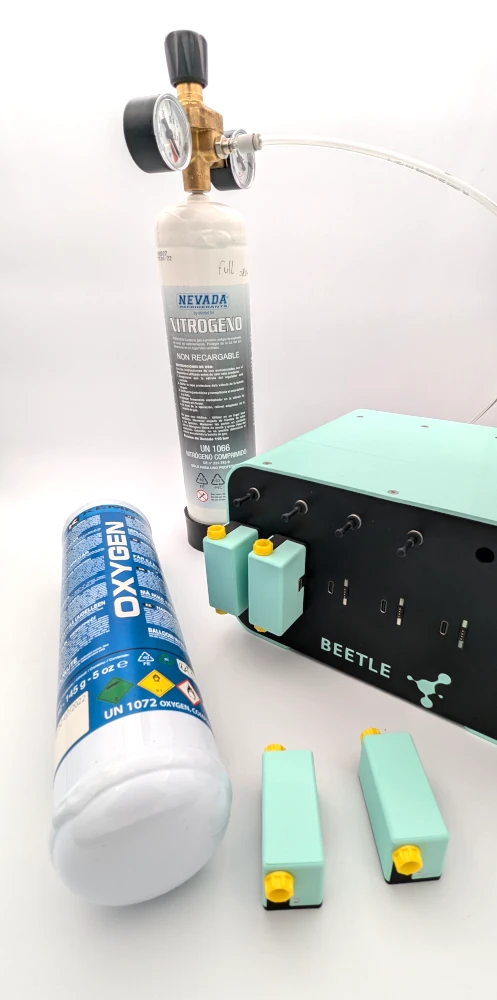
Supports simultaneous pumping of multiple gases and liquids
Integrated flow sensor
Real-time monitoring is built-in
Stable & pulsation-free flow
Pressure-driven operation ensures consistent flow rates
Need a microfluidic SME partner for your Horizon Europe project?
Next-generation control for microfluidics, chemical and biological applications
Inconsistencies can compromise the results of underflow experiments requiring precise gas concentrations. Unlike most conventional pressure-driven pumps, which tend to mix atmospheric gas with the compressed gas input, thereby compromising concentration, our pressure pump is specifically engineered to maintain the desired gas concentration throughout the process. This ensures the gas input remains true to its intended composition.
Additionally, the design allows multiple gases to feed each channel independently, broadening its applications across both biological and chemical research. Whether used for multi-gas perfusion, controlled atmosphere studies, or intricate chemical reactions, the pump delivers exceptional performance.
Moreover, it integrates a flow sensor for real-time monitoring. This approach provides a balanced solution that ensures accurate flow regulation while minimizing complexity, making it an ideal choice for high-precision applications.
Compatibility and applications
Some potential applications for this High Pressure Pump include:
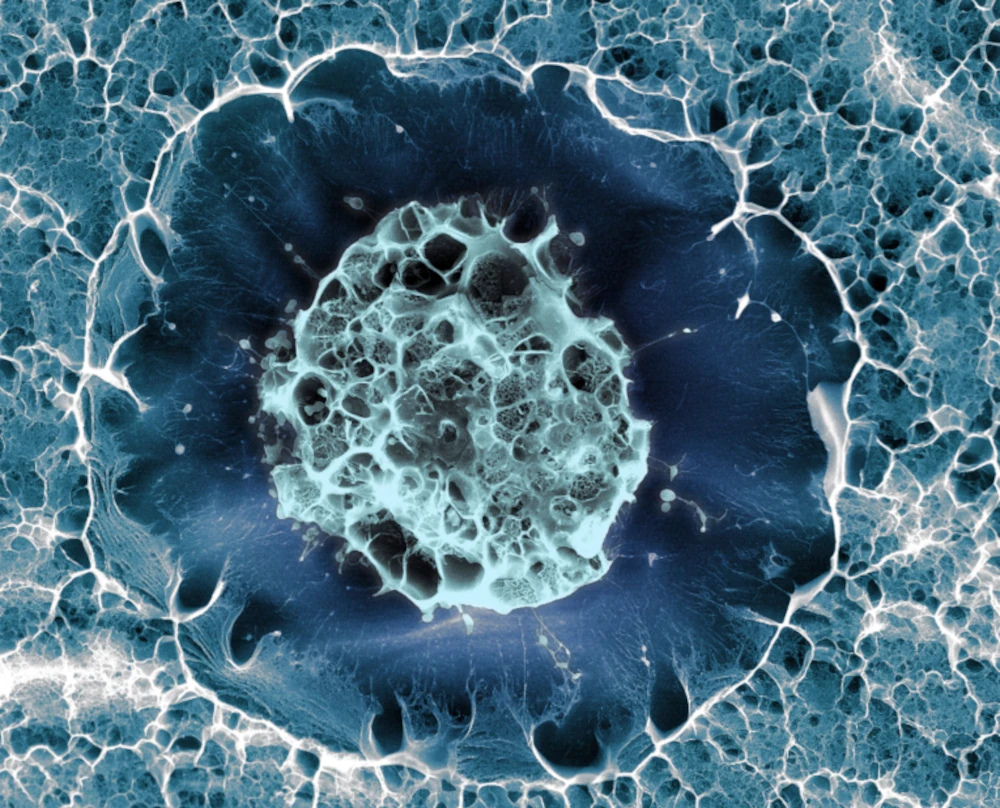
Stem cell culture
Automated and fail-safe long-term microfluidic cell culture system.
✓ Highly controlled microenvironment
✓ Fail-safe mechanism
✓ Automated sequences
Stem cell culture
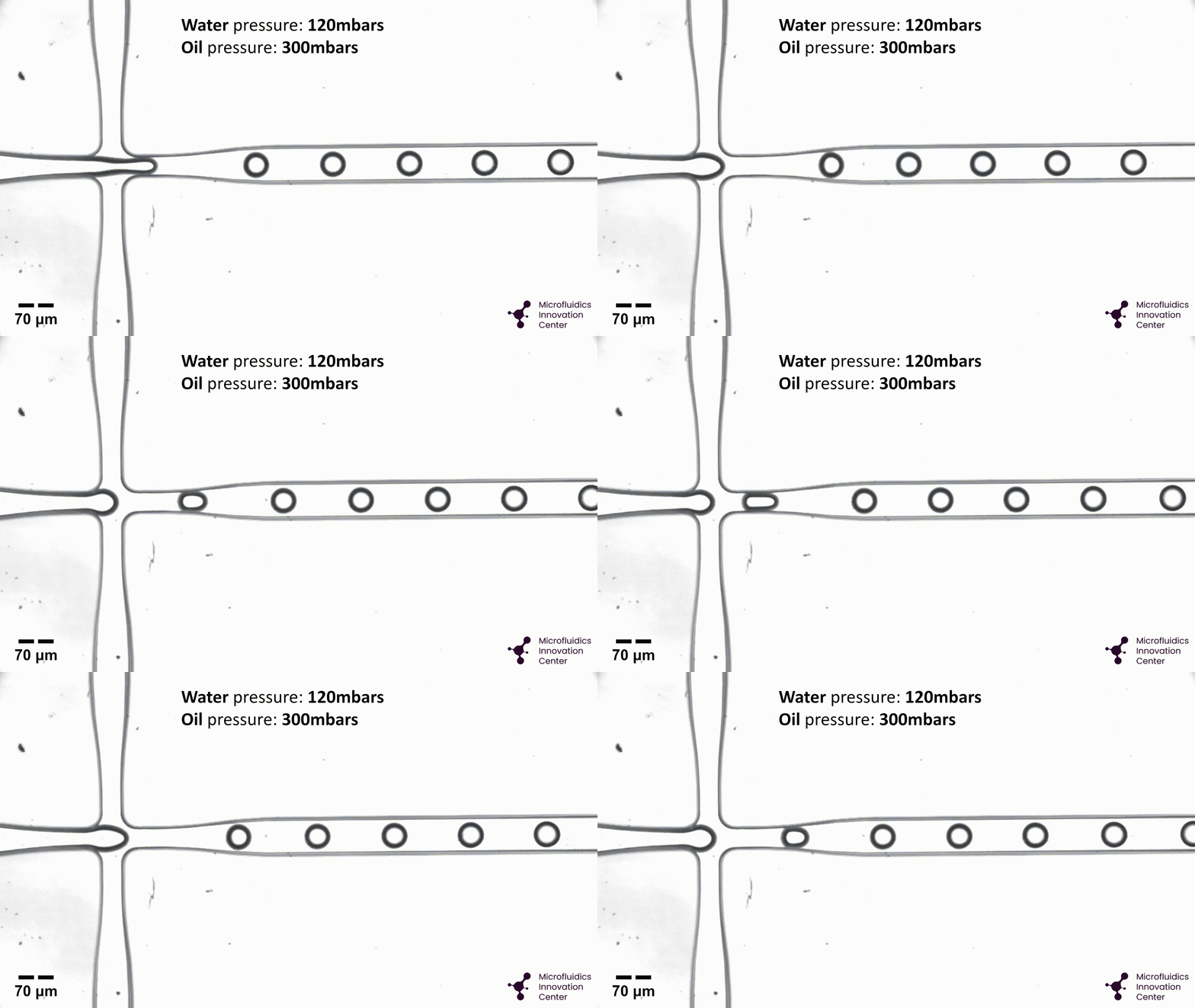
Droplet generator pack
Achieve High-Precision Droplet Microfluidics
✓ Precise flow control
✓ Reproducible and easy generation
Droplet application
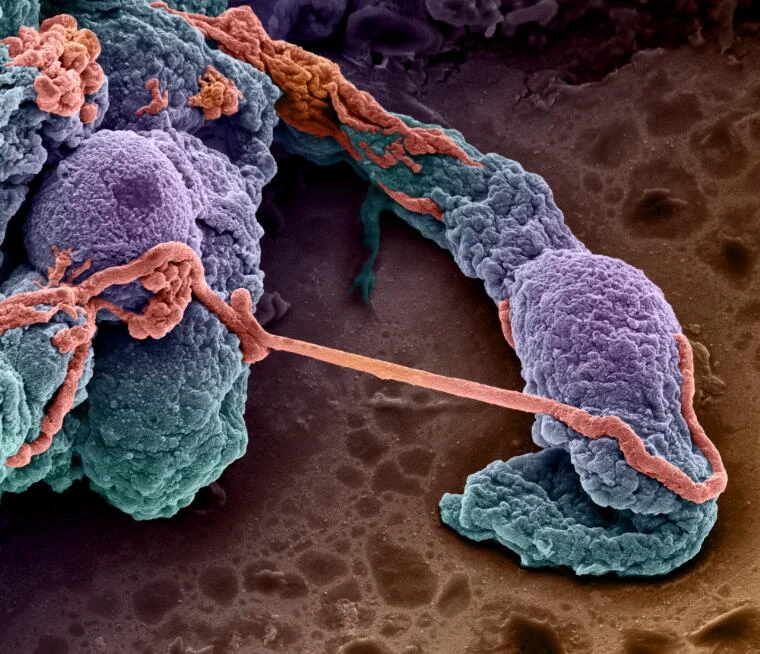
Blood-brain barrier on chip
Plug-and-play instrument pack for long term BBB on a chip study
✓ Relevant microenvironment
✓ Automatized organ-on-chip perfusion
✓ Plug-and-play microfluidic platform
Blood-brain barrier on chip
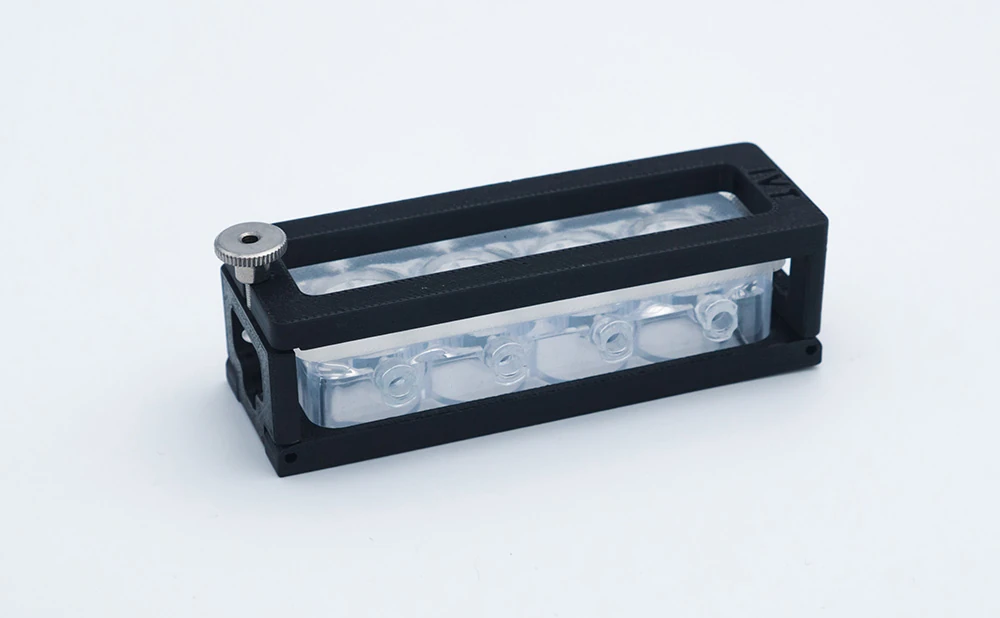
Sheer stress
Cell culture system for shear-sensitive cell lines
✓ Safe Neuron Culture Under Flow
✓ Highly Controlled Microenvironment
✓ Up to 3-week Long Cell Cultures
Sheer stress
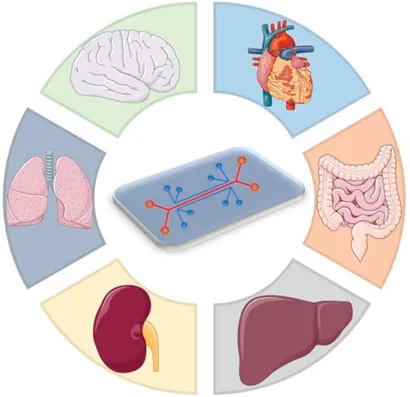
Organ-on-a-Chip
Organ-on-a-chip technology emerged in the early 21st century as a revolutionary approach to simulate human organ functions in vitro. So, what is an organ-on-a-chip? What are its main applications and advantages? And to what extent is it a promising tool for drug testing and disease modeling? We answer all these questions in the following review.
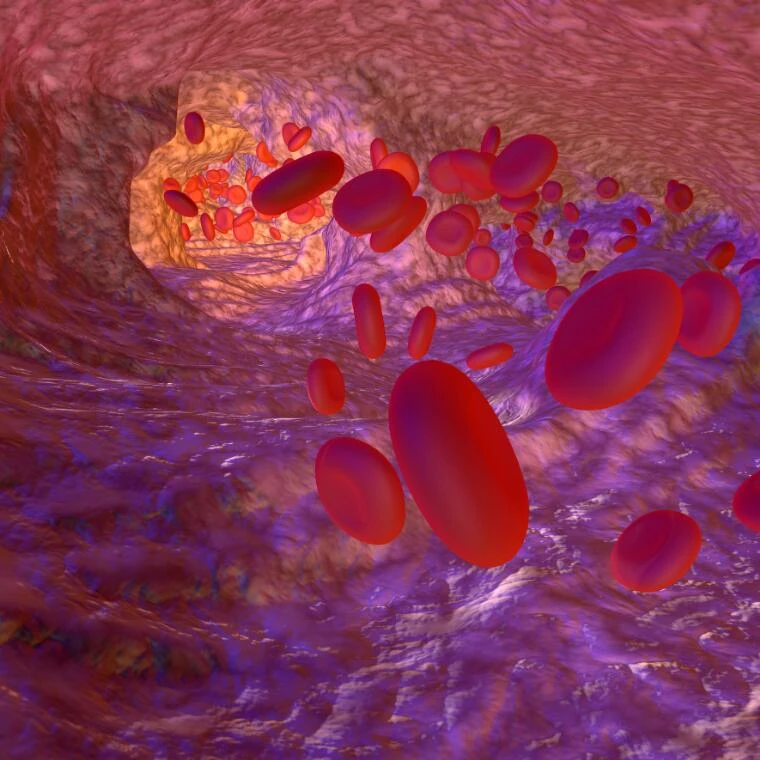
Blood-vessel-on-chip pack
Reproduce physiological flow conditions for vasculature assays
✓ Reproduce Physiological Shear Stress
✓ Unindirectional Flow
✓ Use the Device of Your Preference
Blood vessel formation & occlusion (Atherosclerosis)
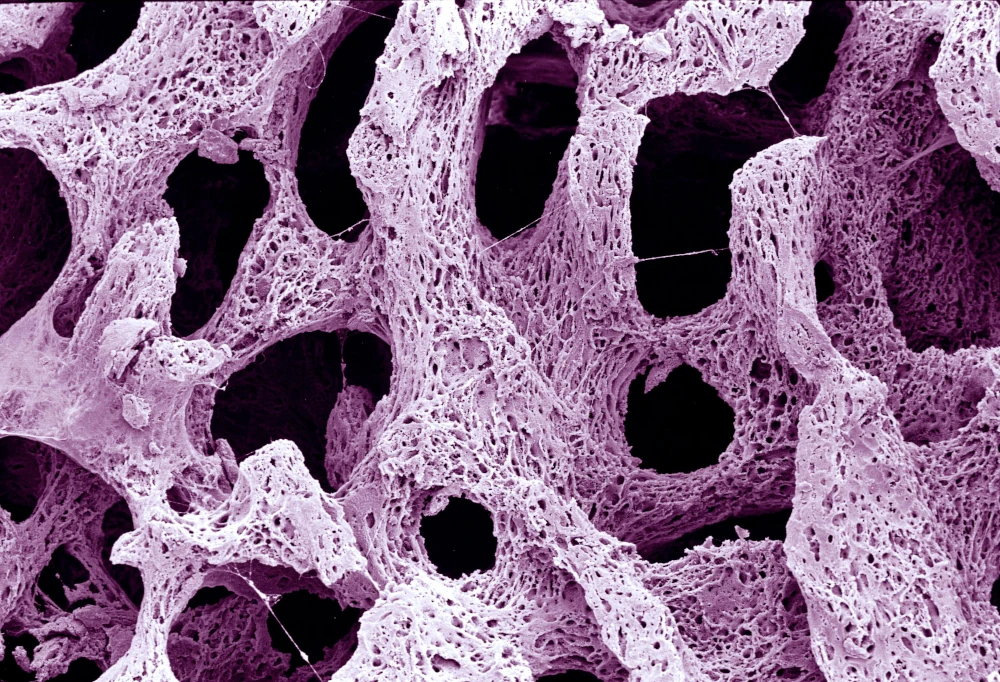
Bone-on-a-chip pack
Easily mimic the complex bone physiology and extracellular environment
✓ Control Complex Microenvironments
✓ Up to 3-week Long Cell Cultures
✓ Fail-Safe Mechanism
✓ Plug-and-Play Platform
Bone homeostasis and disease (Osteoporosis)
Gas control for microfluidics experiments
Chemical synthesis and reaction studies
Controlled atmosphere applications
And many more!
Pressure pump technical specifications
The pressure pump’s technical specifications are below.
If you have any questions, don’t hesitate to contact us at innovation@microfluidic.fr !
| Pressure control | |
|---|---|
| Pressure range | 0 to 2000 mbar |
| Accuracy | 2.5 mbar |
| Gas Consumption | Close to liquid flow rate |
| Response time | 50 ms |
| Settling time | around 1s |
| Flow control | |
| Flow rate | From 0.4 to 1000 µL/min |
| Flow rate accuracy | 5% Read value |
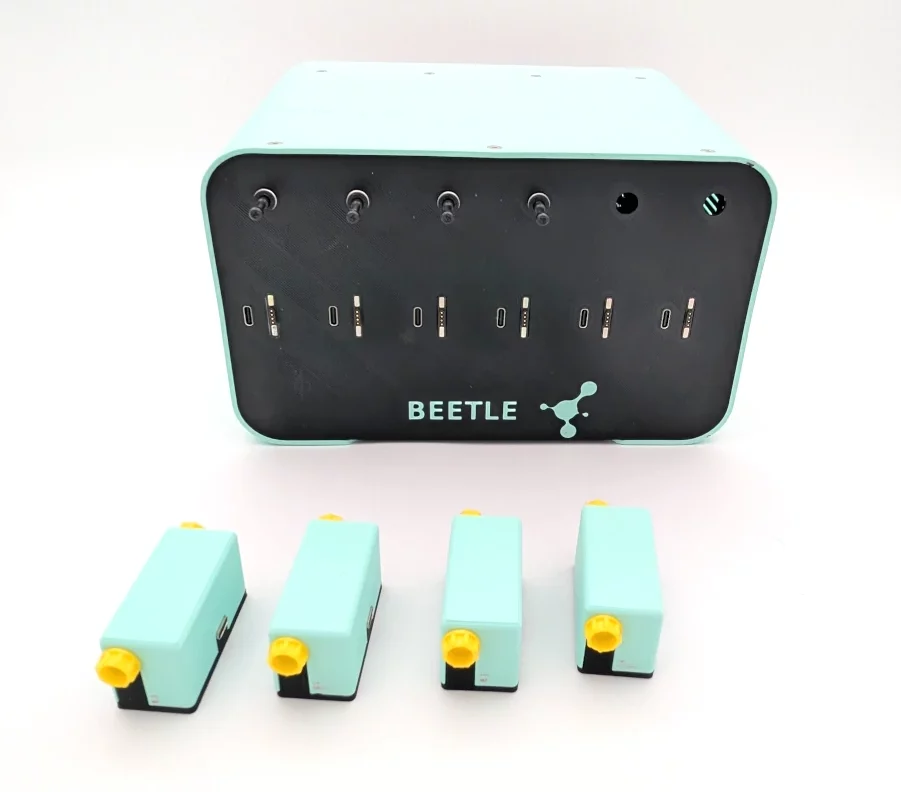
Customize your pack
Our instruments can benefit from your feedback, and you can take advantage of the extra specialized support to ensure that everything runs smoothly in your pressure pump applications. Our microfluidic specialists will advise you on the best instruments and accessories depending on your needs and will accompany you during the setup of your experiment to ensure optimized gas control, precise flow rates, and seamless integration into your microfluidic or chemical and biological research workflows.
Frequently asked questions
What types of gases and liquids are compatible with this pump?
The pump is compatible with a wide range of gases and liquids, including inert gases, reactive gases, aqueous solutions, and organic solvents. Nonetheless, the pump is not compatible with corrosive gases. Contact our team for specific compatibility information.
Can this pump be integrated with existing lab equipment?
Absolutely! The pump is designed for easy integration with microfluidic setups, chemical reactors, and gas mixing systems.
Can the pressure settings be adjusted?
Yes, the system allows for fine-tuned pressure adjustments to match your experimental requirements. And you can control it with pressure or flow rate.


Funding and Support
This project has received funding from the European Union’s Horizon research and innovation program under HORIZON-EIC-2023-PATHFINDEROPEN-01, grant agreement no. 101130747 (Bio-HhOST).
Products & Associated Accessories
FAQ - Pressure Pump for Microfluidics
Why is this pressure pump superior to the traditional pressure based pumps?
As opposed to most traditional pressure-based types of pumps, which normally tend to combine atmospheric gas with the compressed type of gas or input leading to a deterioration of the concentration of the desired gas, this type of pump is specially designed to ensure that the concentration of the desired gas is maintained throughout the entire process. The gas input is also kept at its target composition at any given time, and it is a more consistent option to use in the experiments that demand the purity of the gas.
Why is a pressure-driven pump better for a gas-controlled microfluidic system?
A pressure-driven pump is better than a syringe pump for a gas-controlled microfluidic system because most pressure-driven microfluidic pumps are compatible with a variety of gases that can be used depending on the requirements of a specific microfluidic system. Some gases include compressed gases such as compressed air and nitrogen gases. Nitrogen is commonly used in experiments that require a controlled chemical and biological environment to prevent reactions between a sample and oxygen in the air.
Which gases and liquids can be used with the pump?
The pump can be used with a large variety of gases and liquids and these include:
- Inert gas (e.g., nitrogen, argon)
- Reactive gases
- Aqueous solutions
- Organic solvents
Remark that the pump is not suitable with the corrosive gases. In case of particular compatibility questions, you can contact our team directly on contact page.
What are the important technical requirements of the pressure pump?
The following are the performance characteristics of the pump:
- Pressure range: 0 to 2,000 mbar
- Pressure accuracy: +-2.5 mbar
- Response time: 50 ms
- Settling time: about 1s.
- Flow rate range: 0.4 to 1,000 uL/min
- The accuracy of flow rate: 5% of the read value.
- The rate of gas consumption is nearly liquid flow rate, which means that it is efficient.
Can the system pump multiple gases at the same time?
Yes. The structure allows feeding different gases into different channels. This multi-gas feature increases the number of uses of the pump in both biological and chemical research, including as a multi-gas perfusion and as a controlled atmosphere pump and complex chemical reactions.
Does it have an inbuilt flow checking system?
Yes. It has a pump with an in-built flow sensor to monitor it in real time, which allows real-time regulation of the flow without adding complexity to the system. This intrinsic solution makes it a balanced one that is highly appropriate in high-accuracy experimental conditions.
Is it possible to vary pressure and flow rate conditions during experiments?
Yes. The system enables the use of precise pressure adjustments to suit a given experiment needs. It can be controlled by pressure or flow rate and this permits the researcher to have the choice of the best mode of control depending on their protocol.
Is it possible to connect this pump to the other laboratory equipment?
Absolutely. The pump has been built to integrate easily with:
- Microfluidic systems and devices.
- Chemical reactors
- Gas mixing systems
What are the key uses of this pump?
Stem cell culture: automated, fail-safe, long-term microfluidic cell culture with highly controlled microenvironment.
- Droplet generation: microfluidics droplet generation with reproducible, controllable production.
- Blood-brain barrier on chip: plug-and-play organ-on-chip perfusion of longitudinal studies of the BBB.
- Shear stress models: cell culture systems of shear sensitive cell lines with support of up to 3-week cultures.
- Blood vessel chip: recreation of physiological flow and shear stress profiles of vasculature measurements.
- Bone-on-a-chip: microenvironment control of complex extracellular environments in bone physiology studies.
Gas control, chemical synthesis and controlled atmosphere.
Does the pump have a pulsation or not, and why?
Yes. The pump is pressure-driven, hence providing steady, non-pulsating flow. It is especially crucial in delicate biological or chemical experiments where fluctuations in flow (caused by peristaltic or syringe-pump processes) may disturb cell cultures, perturb reaction kinetics, or compromise the reproducibility of results.
Where am I going to get the software and user guide and is there any customization support?
The pressure pump software as well as user guide can be downloaded directly on our website. In case researchers need custom settings, our microfluidics experts provide customized assistance to choose the additional instruments and accessories the particular purpose. This will involve advice on the best way to control the gas flow, get the flow rates correct and how to integrate it smoothly with the biological or chemical research processes. This product page has a quote form where customization requests can be placed.