
Perfusion Pump for Incubator
Culture up to 6 chips inside the incubator with the flow profile that you need
Incubator-friendly
Keep everything neatly inside the incubator
Pulsatile or linear flow? You can choose
Programmable pump opens a myriad of physiological flow possibilities
No more mechanical stress
Gentle pressure-driven flow not to squish your cells
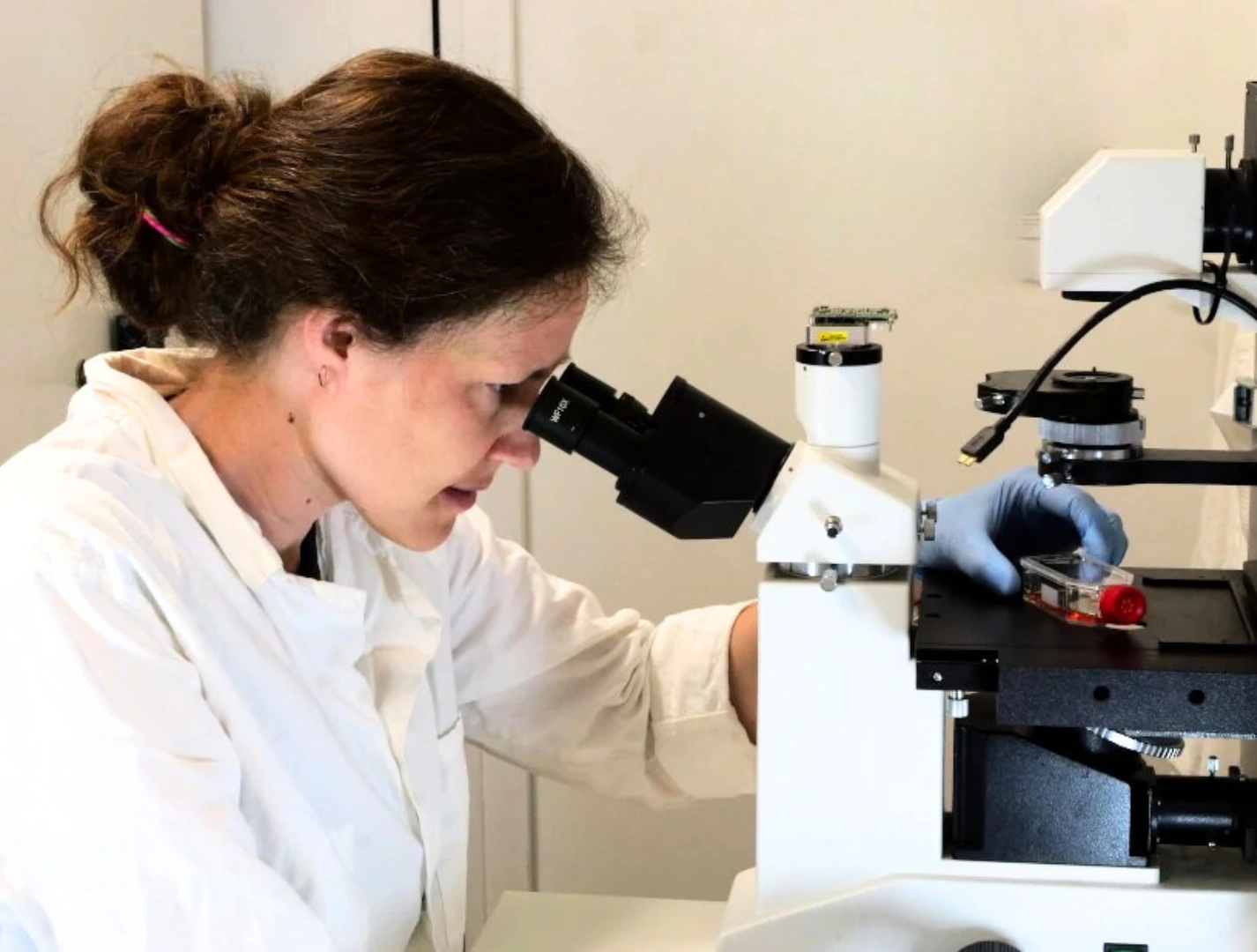
Need a microfluidic SME partner for your Horizon Europe project?
Perfusion pump
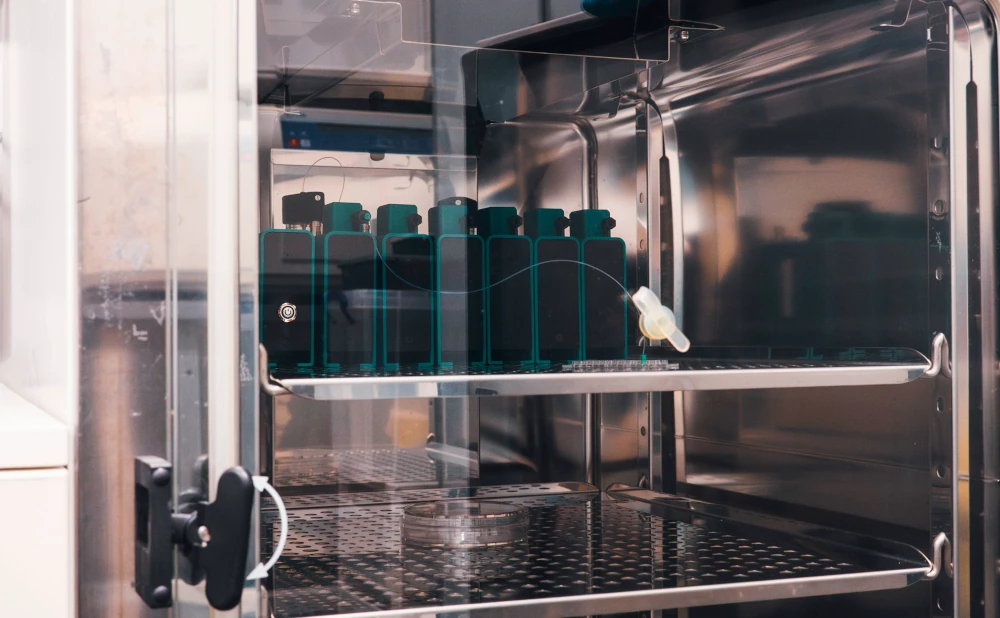
Incubator-friendly pump
Our perfusion pump was designed to keep the same conditions for your entire system and experiment by putting everything inside the incubator. It can withstand the humidity and temperature of the CO2 incubator for prolonged periods while providing precise flow control over your cells.
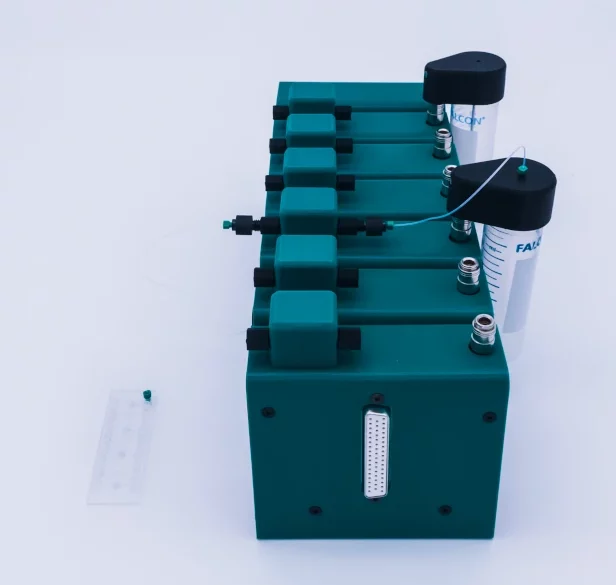
Autonomous
This perfusion pump is self-contained.
It has everything you will need to culture your cells dynamically: an integrated pump and a flow sensor to substantially decrease the number of connectors and tubing!
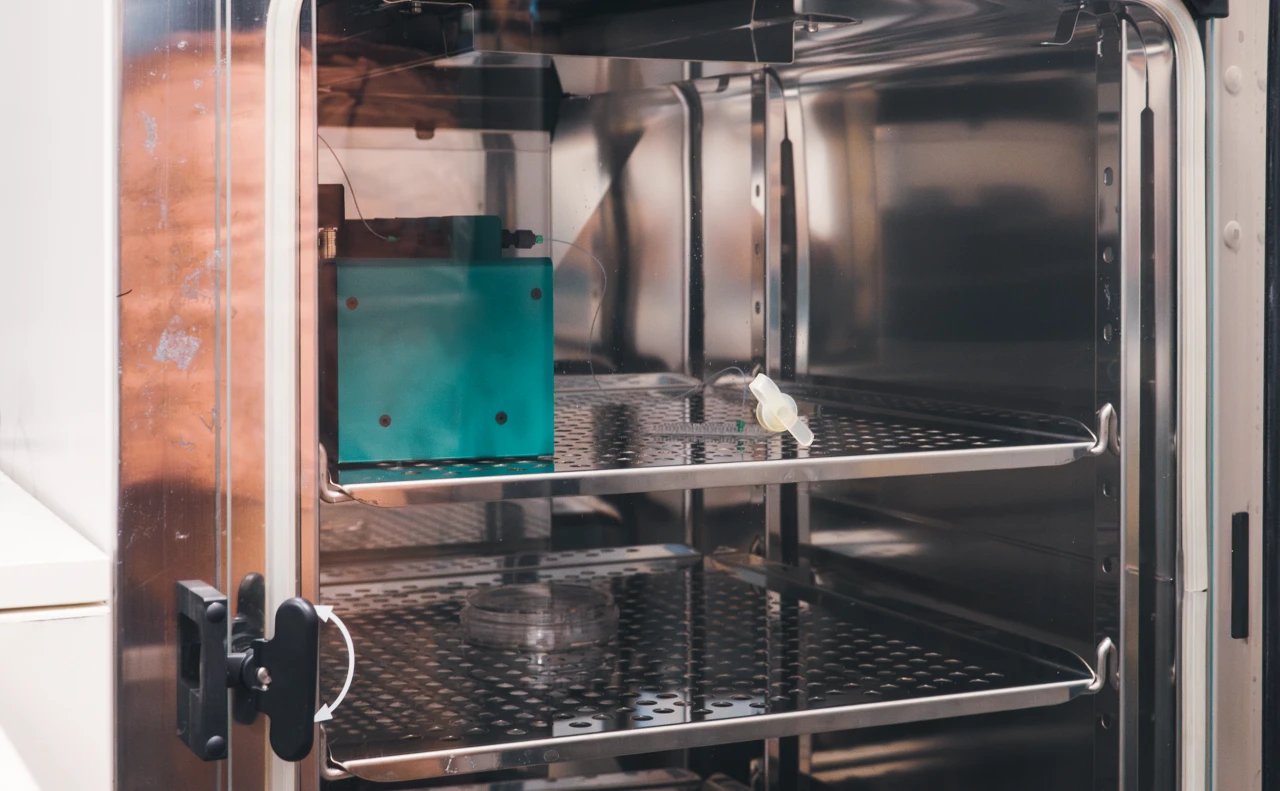
Compact
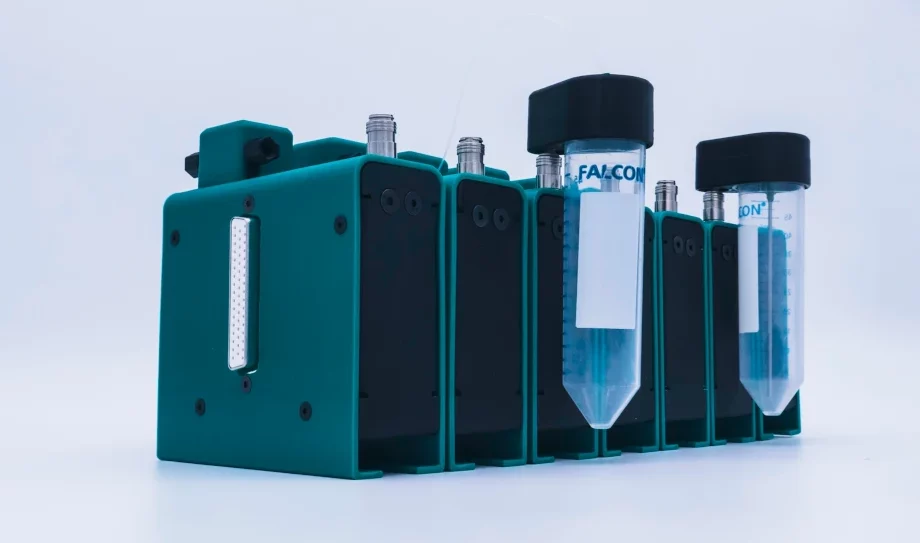
We kept the footprint of the perfusion pump to the smallest possible amount because we know that incubator space is limited and often shared. Thus, we want to allow you to perform several experiments simultaneously without taking up the entire incubator.
High throughput and modular
Concentrations 1, 2, and 3 in triplicates plus the controls, the number of simultaneous experiments escalates quickly. This high throughput perfusion pump can be stacked up to 6 units. Its modularity ensures the flexibility you need while maintaining robust and reliable results.
Easy to use
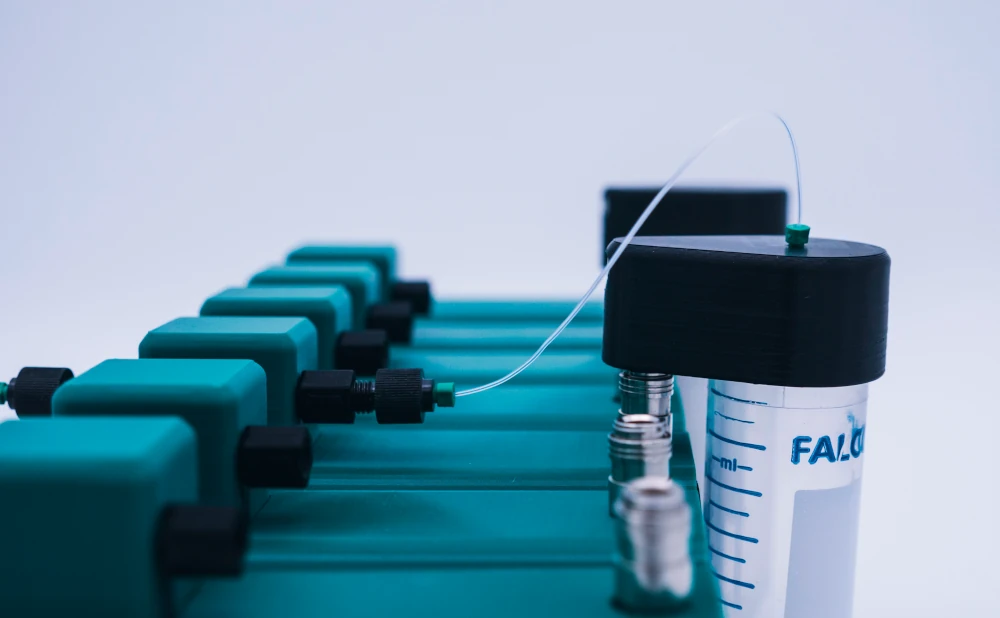
Based on users’ feedback, we substantially decreased the tubing you need to use in your experiments. New plug-and-play connections make assembling, disassembling, and cleaning much more accessible, so you don’t need to worry! Less variability in the assembly also favors better reproducibility.
Applications and compatibility
The perfusion pump is compatible with organ-on-a-chip applications, and it is not limited by your chip design or manufacturer.
Applications can include:
Stem cell culture
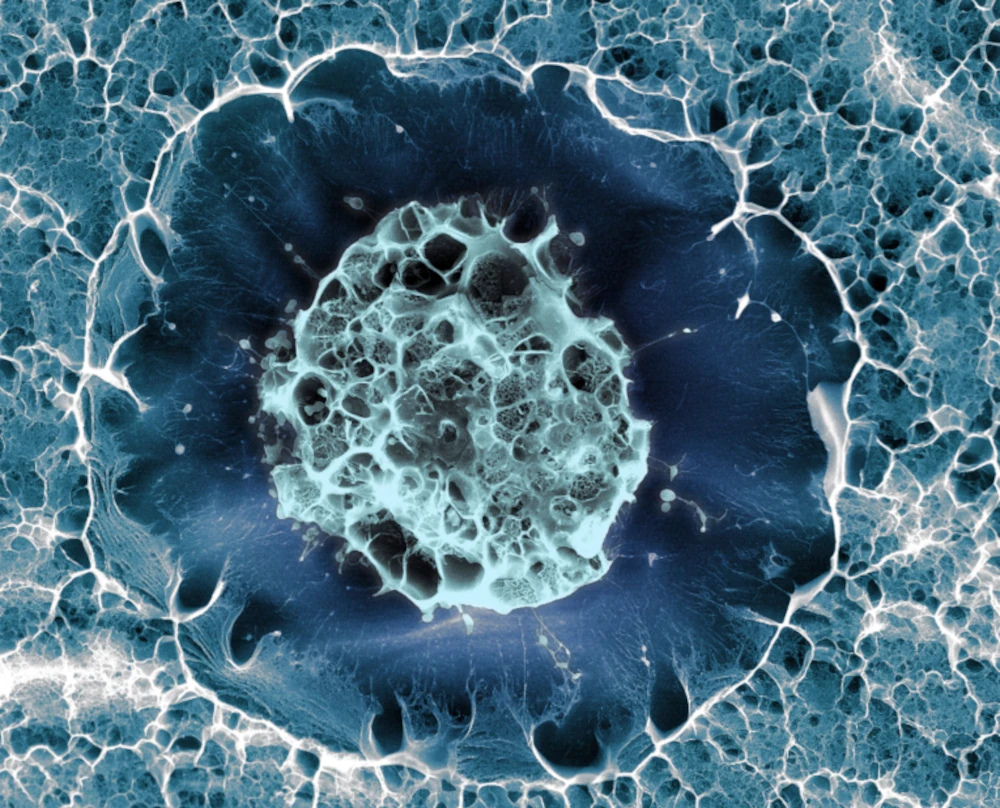
Automated and fail-safe long-term microfluidic cell culture system.
✓ Highly controlled microenvironment
✓ Fail-safe mechanism
✓ Automated sequences
Stem cell culture
Blood-brain barrier on chip
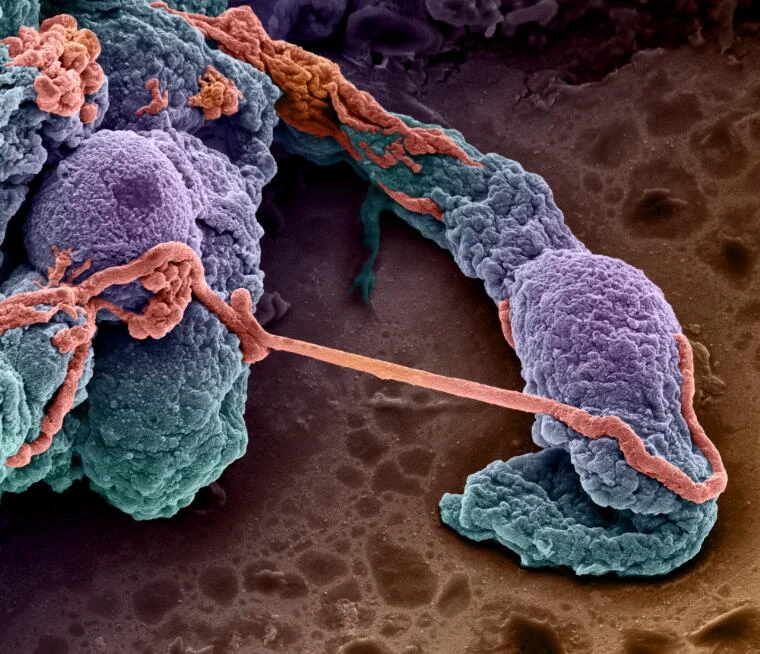
Plug-and-play instrument pack for long term BBB on a chip study
✓ Relevant microenvironment
✓ Automatized organ-on-chip perfusion
✓ Plug-and-play microfluidic platform
Blood-brain barrier on chip
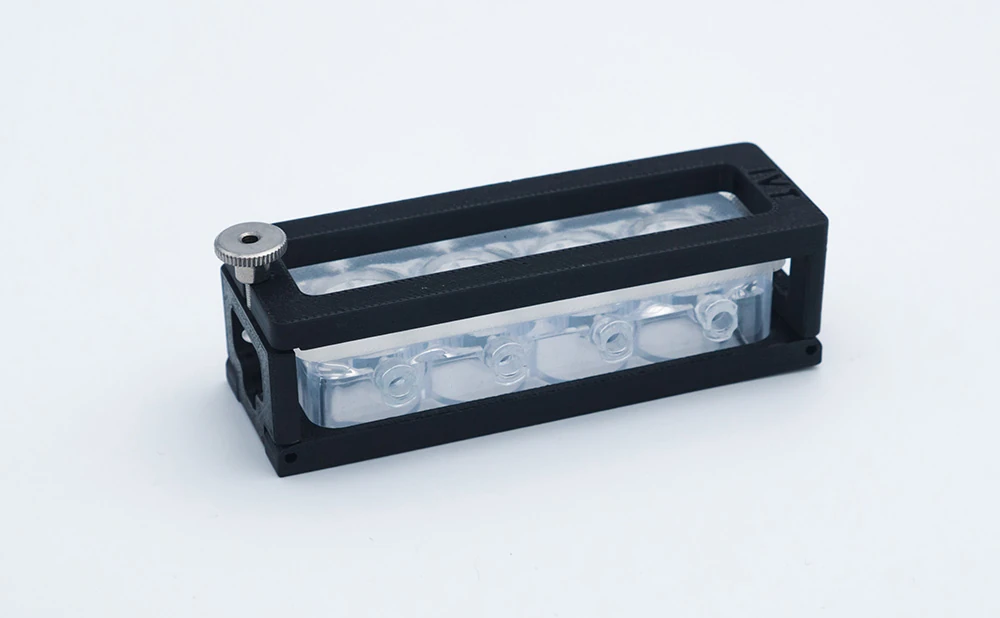
Shear stress
Cell culture system for shear-sensitive cell lines
✓ Safe Neuron Culture Under Flow
✓ Highly Controlled Microenvironment
✓ Up to 3-week Long Cell Cultures
Shear stress
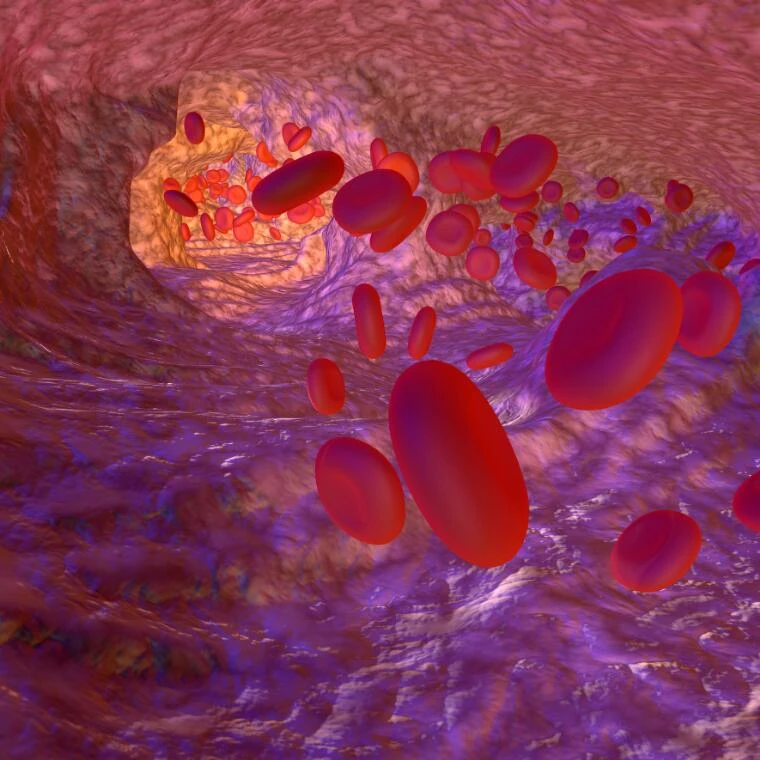
Blood-vessel-on-chip pack
Reproduce physiological flow conditions for vasculature assays
✓ Reproduce Physiological Shear Stress
✓ Unindirectional Flow
✓ Use the Device of Your Preference
Blood vessel formation & occlusion (Atherosclerosis)
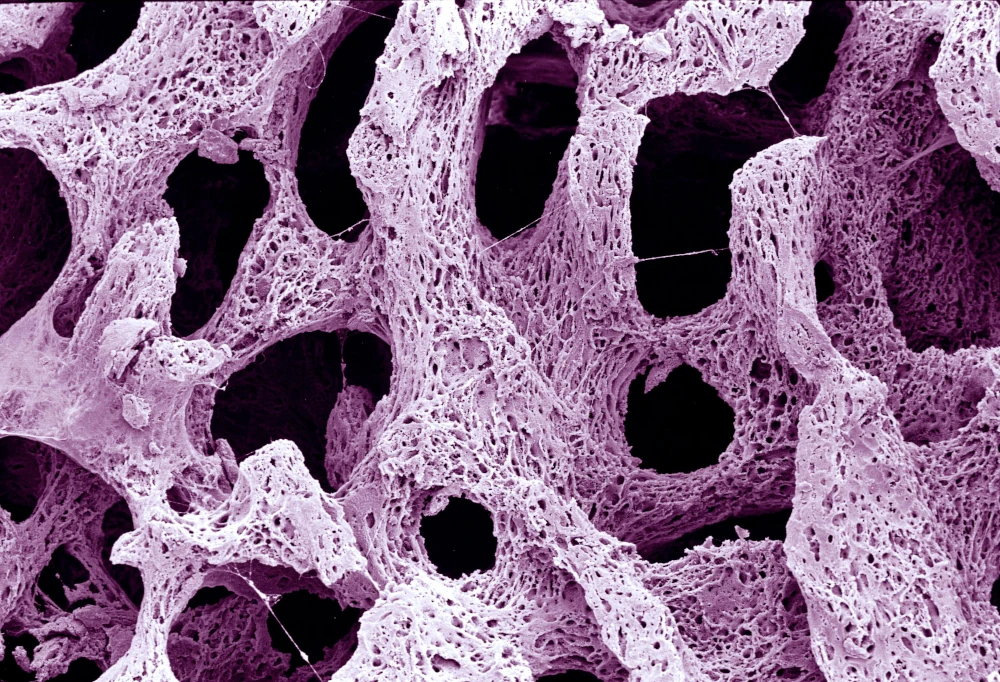
Bone-on-a-chip pack
Easily mimic the complex bone physiology and extracellular environment
✓ Control Complex Microenvironments
✓ Up to 3-week Long Cell Cultures
✓ Fail-Safe Mechanism
✓ Plug-and-Play Platform
Bone homeostasis and disease (Osteoporosis)
Immune response
Drug screening
Models of physiology and disease
And many more!
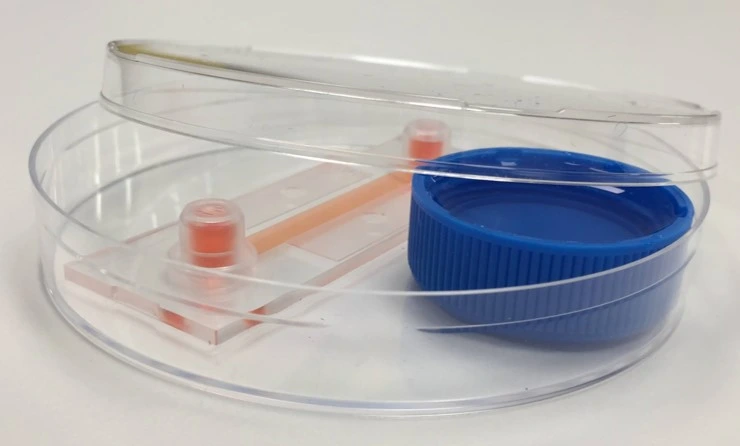
Chips
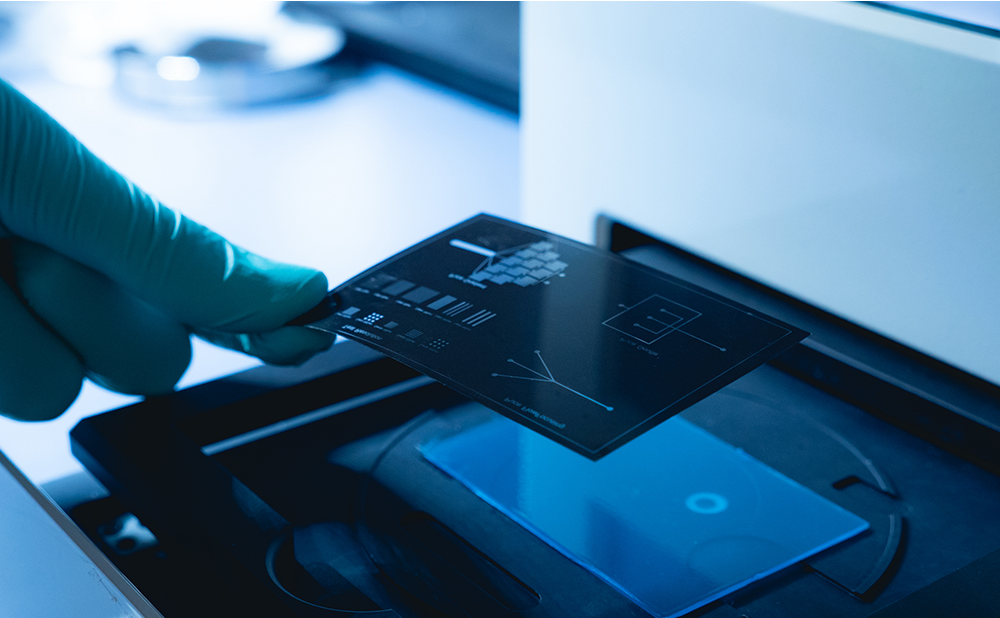
PMMA device station
From mold development to high-resolution PMMA chip fabrication
✓ Fast process
✓ Multiple applications
✓ Simple and innovative setup
PMMA
Homemade devices, PDMS
Synvivo
Ibidi
Microfluidic ChipShop
And many more!
Assays
TEER
Immunostaining of endothelial cell markers
Albumin reabsorption
3D reconstructions
Perfusion assay, using fluorescent dyes
Pharmacokinetics assays
Immunohistochemical and histopathological characterization
Toxicity assays
And many more!
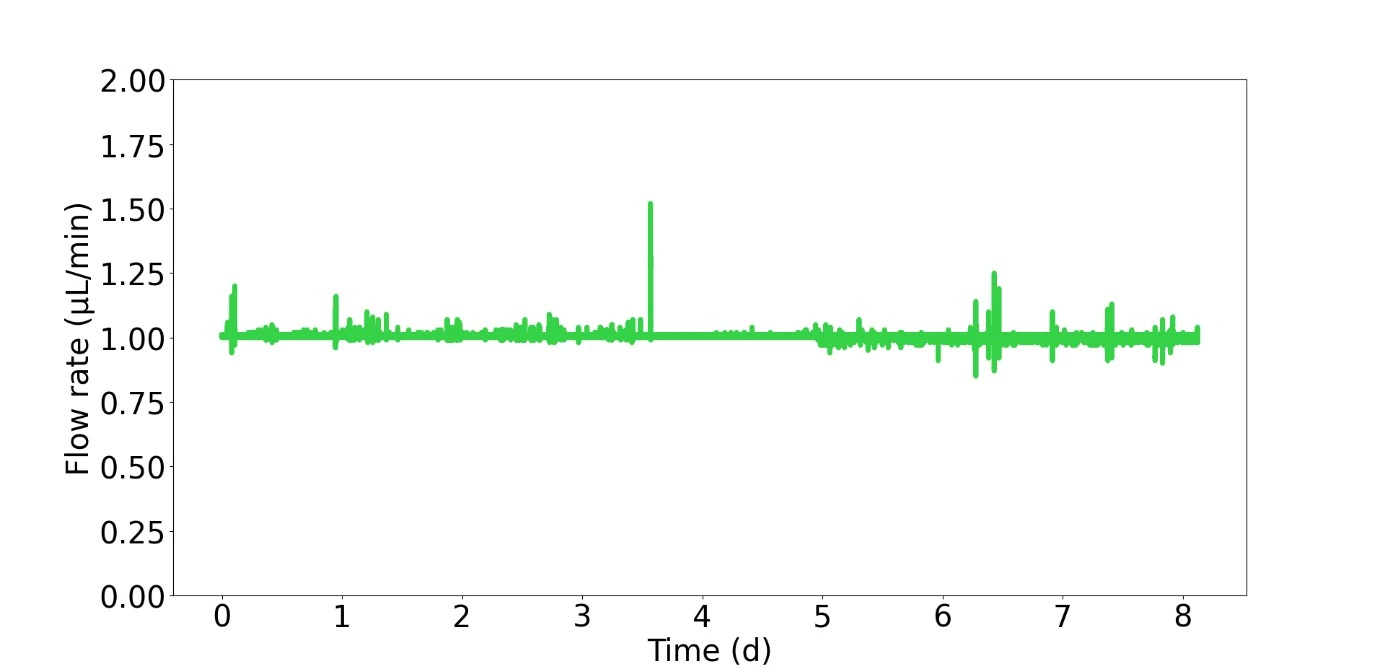
Cells were cultured in a microfluidic chip for 8 days with constant perfusion (1 µl/min) using the perfusion pump. After 8 days, cells were stained in the chip with propidium iodide. An integrated flow sensor measured the accuracy and flow profile of the perfusion pump.
The profile obtained was very stable, with amplitude peaks corresponding to external interventions (such as opening the cell culture CO2 incubator door).
The whole procedure can be checked here.
Experimental results
Perfusion pump technical specifications
The technical specifications of the perfusion pump can be found below.
| Pressure control | |
|---|---|
| Pressure range | 4 Channels (0 to 600 mbar) |
| Pressure stability | 0.2 mbar |
| Recirculation loop | 4 check valves, polycarbonate, male Luer; compatible with 1/4″-28 standard microfluidic fittings |
| Flow control | |
|---|---|
| Microfluidic flow sensor | Monitoring and feedback loop flow control available |
| Flow rates | From 0.1 µL/min to 5 mL/min |
What comes inside the box?
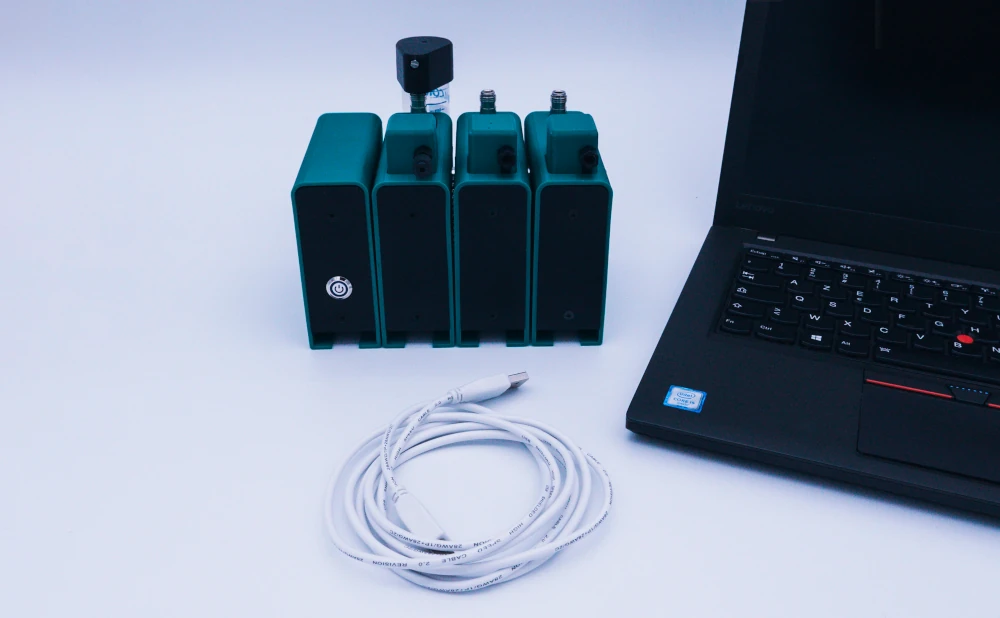
When you order the perfusion pump, you can expect to receive the motherboard with the desired number of units, the reservoirs, flow sensors, the software, and the cable to connect to the computer, as seen below (the laptop is only illustrative).
Customize your pack
Our instruments can be added to different setups depending on your specific needs. In this light, our microfluidic specialists will advise you on the best instruments and accessories depending on your needs and will accompany you during the system’s setup.
Frequently asked questions
Is the perfusion pump powered by battery?
No, the perfusion pump is connected to a computer through a cable, which acts as a power supply.
Do I need a computer to operate the perfusion pump?
Yes, it requires a computer and software to work. Nonetheless, it does not require a compressed air source.
Which microfluidic chips can be connected to the perfusion pump?
The pump can be connected to any microfluidic chip, employing the right connectors.



Funding and Support
The Tumor-LN-oC and Thor projects helped develop this instrument. These projects are funded by the European Union’s H2020-NMBP-TR-IND-2020, grant agreement No. 953234 (Tumor-LN-oC),
and the European Union’s EIC Pathfinder Open program under the HORIZON-EIC-2022-PATHFINDEROPEN-01 Programme, grant agreement No. 101099719 (THOR).
Products & Associated Accessories
FAQ - Perfusion Pump for Incubator
What is the purpose of the "Perfusion Pump for Incubator," and how does it solve that problem?
If a part of your system is not inside the incubator, then temperature changes and gas changes become variables that can affect your experiment. This pump was created to ensure that all experimental parameters remain constant throughout the experiment by placing everything inside the incubator. This allows everything to withstand high humidity and temperature levels, such as those found inside a CO2 incubator, while providing precise flow control over cells.
What type of pump is this, and how is it relevant?
This type of perfusion pump uses a pneumatic piezoelectric micropump with air compression. Using this type of pump, a more controllable flow is possible, compared to other types of pumps, such as peristaltic pumps. This is important because, if an external compressed air source is not available, then complications arise, especially if the incubator doors have to be sealed.
What is the range of flow rates and pressure that this pump can handle?
The flow rate varies from 0.1 µL/min to 5 mL/min. The pressure control varies from 0 to 2000 mbar with a monitoring/feedback loop.
What flow profiles are available? And why is this important?
There are three types of flow profiles available. One is steady or constant flow for long-term culture or dose-response assays. The second is pulsatile or oscillatory for vascular or respiratory tissue models. The third is ramp/step for dynamic assays and sensor calibration. Scientists working with vascular tissues or gut epithelium need a non-constant flow profile to mimic the environment in which cells are normally present.
How is the system powered and does it need a computer to run?
The system is powered through a cable that connects the pump to a computer. This computer cable acts as the power source for the system. The system needs a computer and specific software to run. It does not need any compressed air source. This means that the system is compact and simple inside the incubator. The pump is the only system present inside the incubator. This pump is connected to the computer through a cable that is inserted through the incubator port.
How compact is it, and can multiple units be used at the same time?
The footprint is minimized to accommodate the limited space in which incubators are often placed. The pump may be stacked up to six units high, and it’s modular design provides flexibility without sacrificing results. Triplicates across three concentrations and controls are achievable within a single incubator without wasting shelf space.
How is assembly handled, and how easy is it to clean?
User feedback has minimized the amount of tubing required for this design. Plug-and-play connectors have made assembly, disassembly, and cleaning easier. Variability in assembly has also been minimized to provide better reproducibility. Anyone who has spent frustrating time troubleshooting leaks and flow issues due to connector variability will appreciate this.
Does it incorporate a flow sensor, and if so, how does that affect the experiment?
Because the pump and flow sensor are integrated, it is self-contained and requires fewer connectors and hoses. The integrated flow sensor aids in controlling the flow to maintain a stable profile inside the CO₂ incubator. Throughout the experiment, the software interface can be used to record both the pressure and the flow rate.
Which microfluidic chips does the pump work with?
The pump can be used with organ-on-chip technology without restricting the chip design in any way, whether it is DIY, PDMS, PMMA, etc., because it is compatible with all microfluidic chips with the appropriate connectors.