
Ocular diseases diagnostics through the detection of key biomarkers: Biocudet
Author
Christa Ivanova, PhD
Publication Date
September 21, 2017
Status
Keywords
Dry Eye Disease
Point-of-Care Test
Ocular biomarkers
Fast multiplex diagnostic
Multiplex qPCR
Lab-on-chip
Conjunctiva sampling
Inflammation markers
Your microfluidic SME partner for Horizon Europe
We take care of microfluidic engineering, work on valorization and optimize the proposal with you
The Biocudet system will offer a simultaneous diagnosis of main ocular diseases in a single test during the visit to the doctor’s office.
Key ocular biomarkers towards personal medicine: introduction
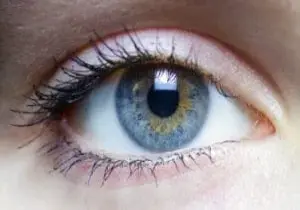
In the EU, the costs of ocular diseases amount to 70% of the costs induced by cancer. This will increase as our population ages, mainly as most costs result from late or wrong diagnosis.
The current ocular disease diagnostic devices are far from delivering the expected performance. The simultaneous discovery of biomarker candidates for several significant eye diseases and the development of fast multiplex quantitative PCR (qPCR) technology offers the unique opportunity to propose a Point of Care Test (PoCT) to fulfill modern ocular disease diagnostics needs.
We want to develop the first fast and affordable biomarker-based PoCT device for the ocular diseases diagnostics market. This system will enable any practitioner to propose a diagnosis based on the simultaneous measurement of ocular disease biomarkers in less than 10 minutes.
This system will offer the capacity to diagnose central ocular diseases simultaneously in a single test at the time of a visit to the doctor’s office.
We rely on our expertise in fast multiplex qPCR systems and OPIA of conjunctiva sampling to develop this prototype.
The BIOCUDET project is today the most relevant in the world to bring a PoCT system to the market within the next couple of years to address this significant social and economic concern.
Ocular diseases diagnostic tool: reach the market
Download the MIC Horizon Europe 2026/2027 Calls Calendar:

Funding and Support
This project has received funding from the European Union’s Horizon 2020 research and innovation program under grant agreement No. 739687 (BIOCUDET).
Check our Projects
FAQ – Ocular diseases diagnostics through the detection of key biomarkers: Biocudet
What is the number of biomarkers that we are discussing, and the duration of a run?
The design aimed to measure over 30 ocular biomarkers in parallel and return the results in less than 10 minutes, enough to impact the consultation itself or an emergency-room decision.
What were the first eye conditions that the platform was aiming at?
The first panel centered on the key inflammatory and degenerative disease only of the eye, where molecular signatures were depicted in the literature and could be clinically acted upon, consider dry eye, infection/inflammation panels, flags related to retinal diseases, but retaining the architecture of the assays so they could be easily extended to new biomarkers.
Why not use protein-only assays instead of multiplex nucleic acid detection?
Since gene-expression signatures are better resolved when many transcripts are co-read, practically any 20-40-marker composite score is expected to have improved sensitivity/specificity than any single biomarker, and qPCR is both cost-effective and robust in PoCT when the thermal protocol is optimized.
What is the expanded clinical or economic benefit in the case of such a scale?
In the EU, eye diseases cost the EU the tune of EUR86 billion a year. A reduction to a PoCT, which can be executed at intake, may reduce time-to-treatment, inappropriate prescription, and standardization of referral thresholds, small changes that may add up all too fast at a population level.
What is the rationale for including the Microfluidics Innovation Center (MIC) in a proposal in Horizon Europe on ocular diagnostics?
Since a lean SME increases the project’s feasibility, MIC introduces microfluidic assay design, instrument control, and prototyping, thereby reducing the loop time between the biomarker list and a functioning cartridge. That mix, combined with our own experience in proposal writing, is likely to yield approximately twice as many successful bids as comparable calls in the EU consortia we are part of, and the resulting such-and-so chips, rigs, verification data, etc., are something reviewers can get their hands on.
What will a successful end of a 24-36-month project look like?
A PoCT prototype that: (i) can run ≥30 markers in <10 min using an OPIA swab; (ii) possesses internal controls of extraction, inhibition, and thermal cycling; (iii) has been demonstrated to have clinical utility on a 200-400 patient study with established thresholds. At that point, it is verification/validation and scale-up. MIC is responsible for providing the cartridge.
I am developing a Horizon Europe consortium- where should MIC be placed outside this project?
MIC is a microfluidics SME specializing in regularly participating in EU consortia to provide hardware, automation, and measurement components for complex bioassays. We prepare offers together, model work packages based on prototype deliverables, and risk-proof manufacturable designs. Consortia incorporating MIC prototype-first model usually claim success rates that are twice the official baseline at similar calls- a trend we put down to obvious technical way, believable milestones, and early demonstrators.