Horizon Europe 2025
Author
Christa Ivanova, PhD
Publication Date
February 03, 2025
Updated
May 27, 2025
Keywords
Horizon Europe 2025 work programme
Pillar I, II, III
deadlines 2025
Topics
upcoming calls
clusters
Research and Innovation Actions
Innovation Actions
Your microfluidic SME partner for Horizon Europe
We take care of microfluidic engineering, work on valorization and optimize the proposal with you
Horizon Europe 2025
On May 14th 2025, the European Commission (EC) adopted the long-awaited Horizon Europe Work Programme 2025, mapping the future funding opportunities in research and innovation for the years 2025-2027. It is composed of three main pillars, with Pillar I focusing on Excellent Science (European Research Counci (ERC), Marie Sklodowska-Curie (MSCA) programs), Pillar II addressing Global Challenges and Industrial Competitiveness and Pillar III Innovative Europe (European Innovation Council (EIC)). While MSCA-Actions and the EIC have separate Work Programmes which we covered recently, we will focus on Pillar II in this article.
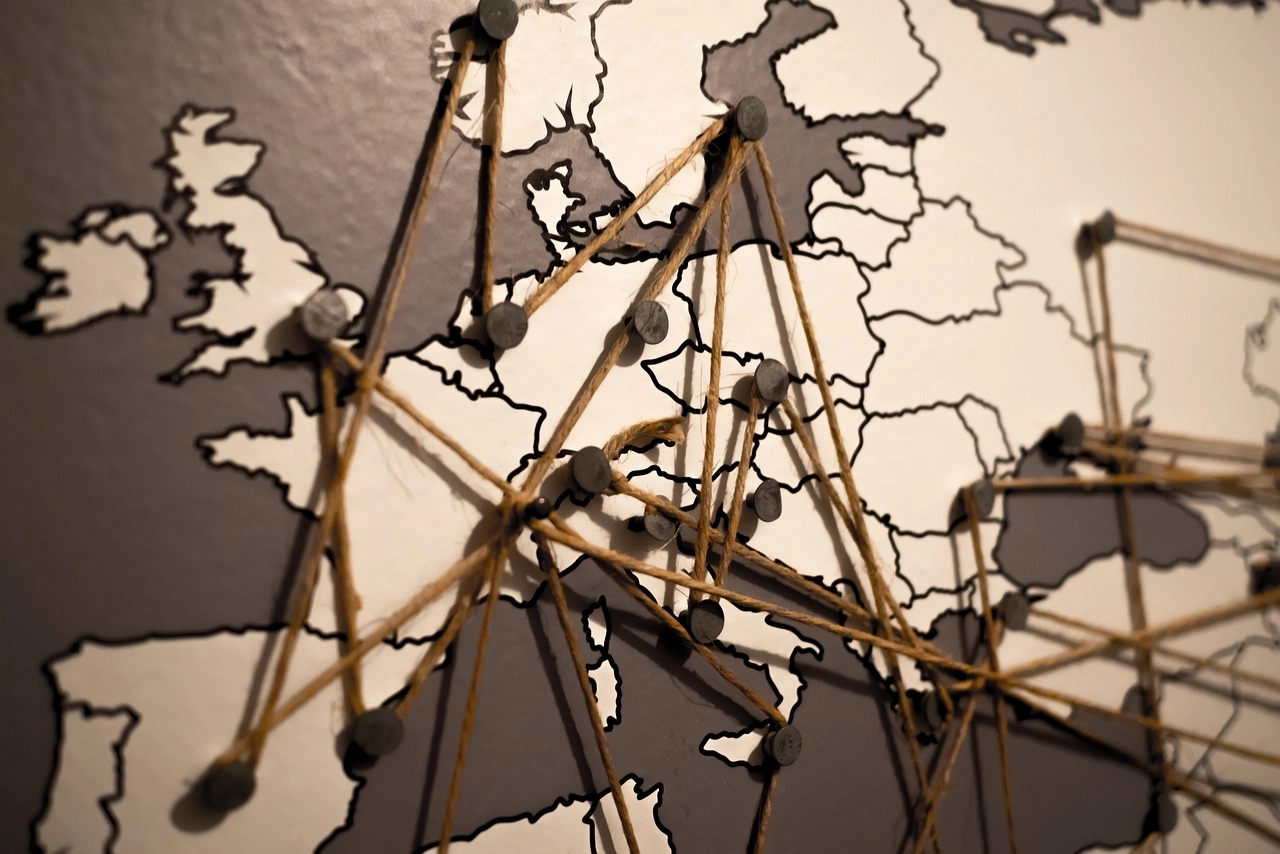
Pillar II will again be structured in 6 Clusters, as has been the case since 2021. This year, the EC will invest 7.3€ billion in research and innovation across Europe and associated countries, with a special focus on accelerating the EC’s green and digital transitions. An estimated 35% of the total budget will be allocated to climate-related objectives, and 8.8% will be invested in the protection of biodiversity. More specifically, 1.14€ billion will be allocated to climate, energy and transport and 833€ million in food, bioeconomy and natural ressources, agriculture and environment. Finally, around 36% of the total funding will support the digital transition, with 1.6€ billion invested in the development and use of Artificial Intelligence (AI).
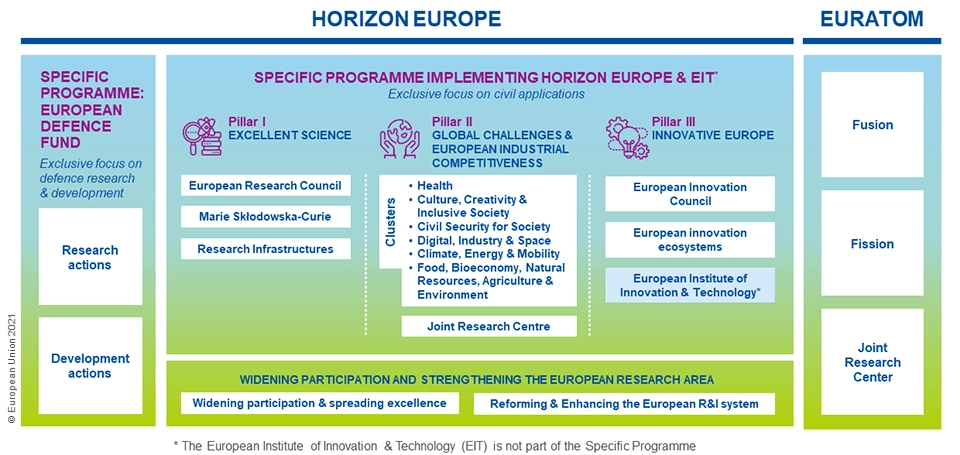
The 6 Clusters in Horizon Europe
- Health
- Culture, Creativity & Industrial Society
- Civil Security for Society
- Digital, Industry & Space
- Climate, Energy & Mobility
- Food, Bioeconomy, Natural Resources, Agriculture & Environment.
Innovation in Horizon Europe 2025
Projects in Horizon Europe 2025 Pillar II will take the shape of Research & Innovation Actions (RIA) and Innovation Actions (IA). RIA projects focus on early-stage research (TRL 1-4) whereas IA projects target innovations closer to market access (TRL 5-8). This is also reflected in the different funding rates. Whereas RIA projects are funded at 100% due to their research-driven nature at an early stage, IA projects focus on applied innovation, processes and services and receive 70% funding. Both project types are essential in the overall Horizon Europe framework, where research and innovation are developed in tandem to push Europe’s competitiveness and sustainable growth. In addition, efforts are undertaken to simplify the application and implementation process. This includes a wider use of lump-sum funding (facilitated financial reporting) and two-stage calls, which only require the submission of a short (10 page proposal) at Stage 1.
To understand which project topics will be supported in 2025, we need to take a closer look at the individual clusters. If you wish to browse through past work programmes and supporting information, you can find the complete information on the EC website.
Cluster 1 – Health
Cluster Health of the Horizon Europe program aims to support research and innovation in areas that improve health and well-being, promote healthier societies, and address major health challenges. The goal of Cluster 1 is to support cutting-edge research and innovation that can improve the quality of life, enhance healthcare systems, and contribute to healthier, more resilient societies across Europe. It brings together a wide range of stakeholders, including researchers, healthcare professionals, and industry players, to tackle complex health challenges.
The main areas include health promotion and disease prevention, innovative health technologies and digital health including medical devices, e-health, AI applications in healthcare and generally, the understanding of diseases and how treatment can be improved. It also covers the development of novel therapies, vaccines, and diagnostics.
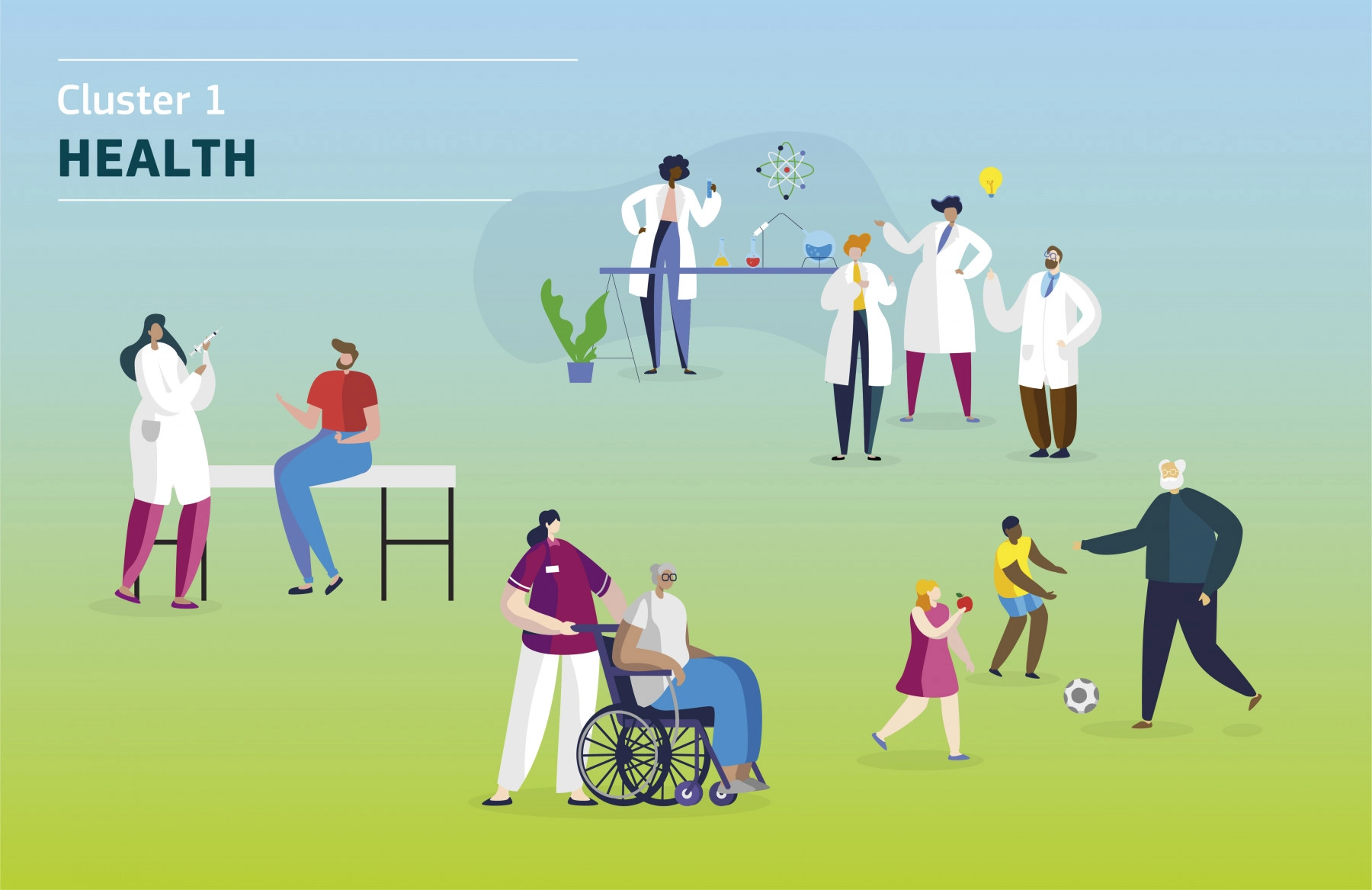
The calls of 2025 will focus on the impact of climate change and the environment on our health, for example by supporting research on the effects of pollution on the development of brain diseases, and the health impact of micro- and nanoplastics. Digital technologies and Artificial Intelligence (AI) will play a central role, with the goal to digitalize the healthcare system in Europe and use AI in disease prediction and prevention.
Here, you can find the complete Work Programme for Cluster 1 – Health.
The document includes all deadlines and the allocated budget for each call. For a deeper dive into the program, visit our page dedicated to Cluster 1 – Health. If you want to see a more condensed version of all calls supporting Biotech- and Health-focused Research and Innovation in Horizon Europe 2025, do not forget to download our Call Calendar in the bottom of this page!
Cluster 2 – Culture, Creativity & Industrial Society
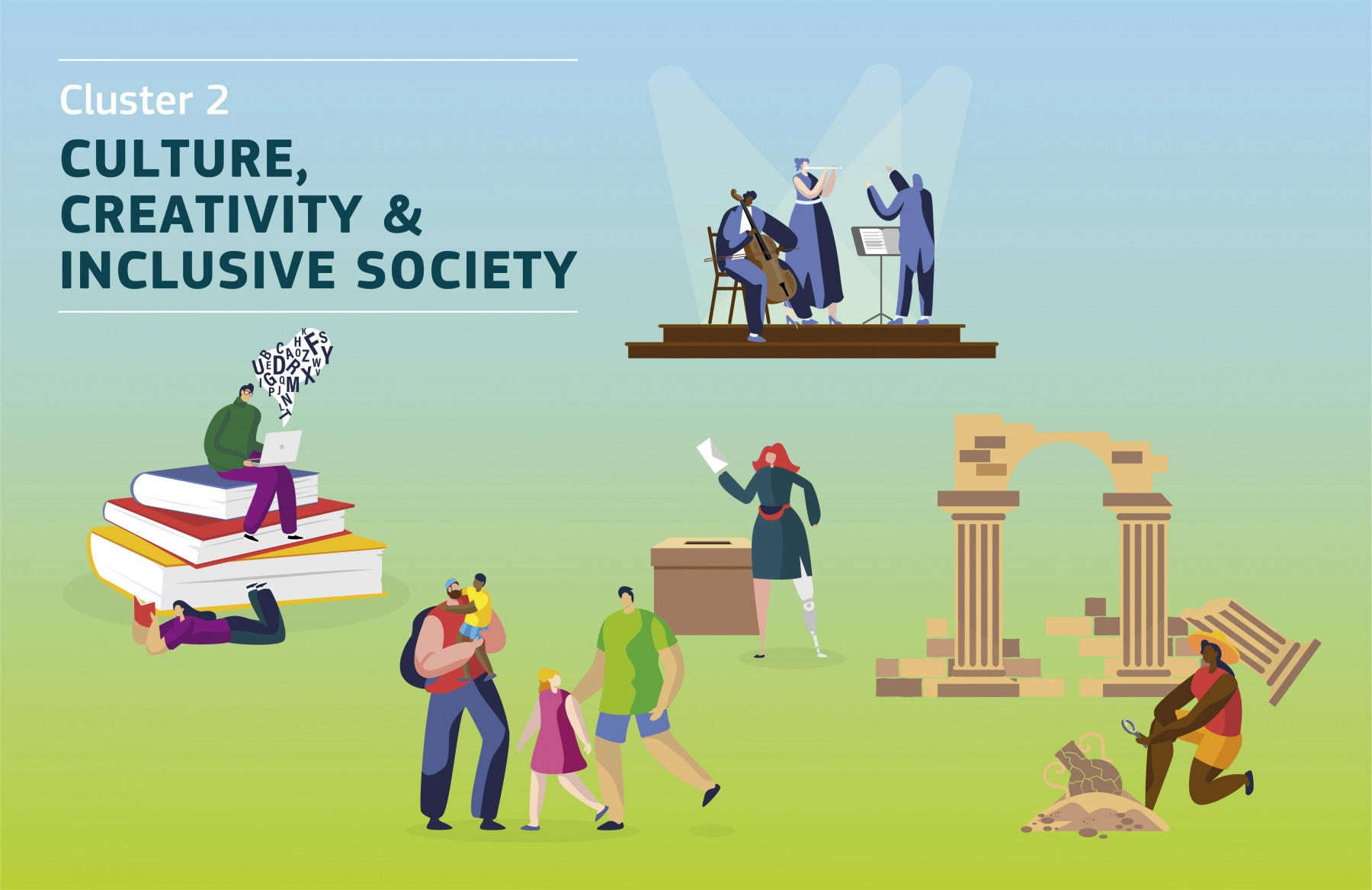
This cluster aims to promote the role of culture, social innovation, and creative industries in addressing societal challenges, fostering inclusive societies, and enhancing Europe’s global influence in these areas. Examples include the preservation of cultural heritage and upholding the democratic values in the European society.
You can find the Work Programme of Cluster 2 here: Culture, Creativity & Industrial Society.
Cluster 3 – Civil Security for Society
Cluster 3 of Horizon Europe 2025 will concentrate on building a safer and more secure Europe by enhancing the resilience of societies against a range of threats. From cybersecurity and terrorism prevention to disaster management and the protection of critical infrastructure, the cluster will focus on both technological innovations and societal responses to security challenges, ensuring that security is both effective and respectful of individual rights. It will also emphasize the role of international cooperation and public-private partnerships in enhancing Europe’s security landscape.
Download the Work Programme of Cluster 3 here: Civil Security for Society.

Cluster 4 – Digital, Industry & Space
This cluster focuses on advancing digital technologies, boosting the industrial sector, and enhancing Europe’s role in space to ensure future economic growth, innovation, and sustainability. Key research fields will include digital technologies, advanced manufacturing, and space exploration.
See all topics in the Draft Cluster 4 here: Digital, Industry & Space.
Cluster 5 – Climate, Energy & Mobility
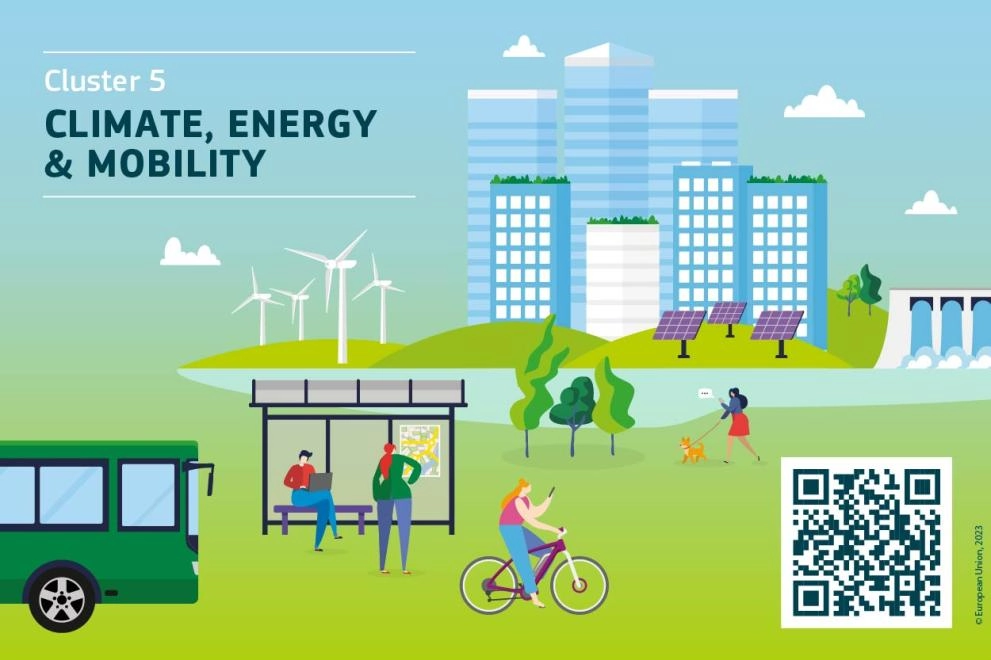
This cluster is aimed at tackling key environmental and sustainability challenges through innovation and research. In 2025, this will include calls on reducing greenhouse gas emissions, promoting clean energy, sustainable mobility, energy storage (namely the development of novel battery systems) and environmental protection.
You can read the detailed Work Programme of Cluster 5 here: Climate, Energy and Mobility.
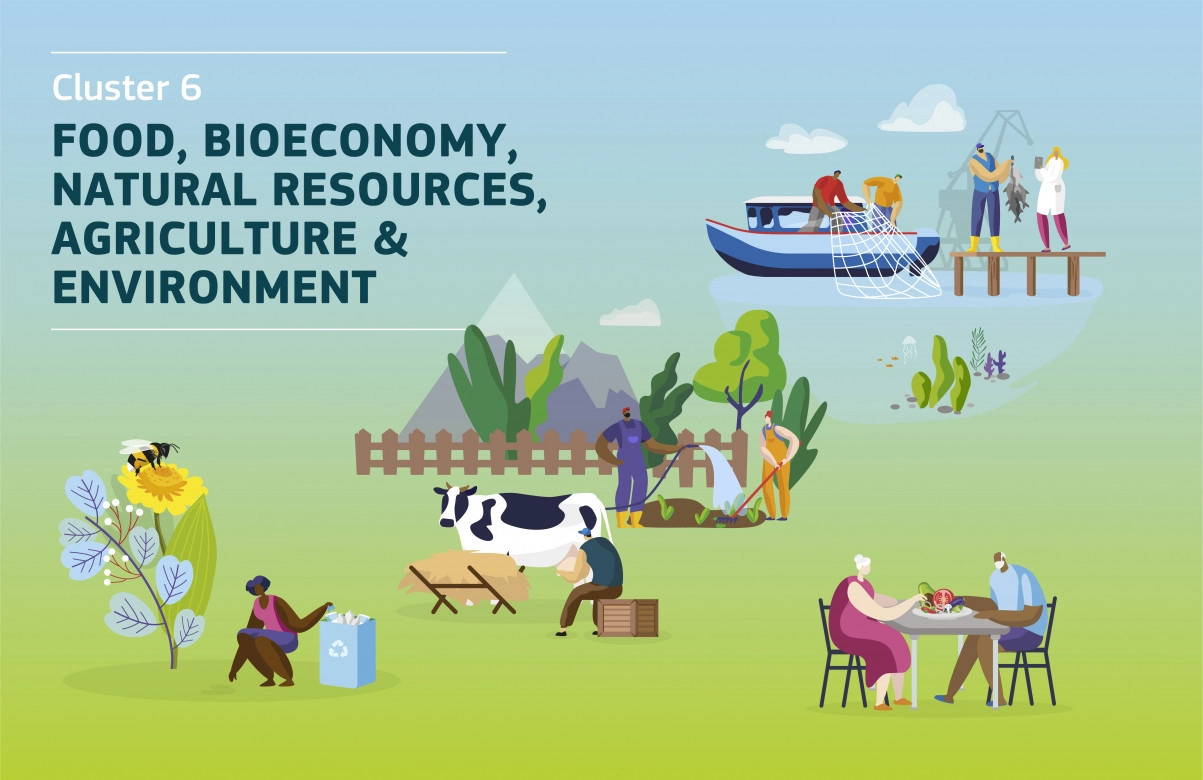
Cluster 6 – Food, Bioeconomy, Natural Resources, Agriculture & Environment
Cluster 6 in 2025 focuses on ensuring that Europe’s food systems, bioeconomy, and natural resources are managed sustainably, while contributing to environmental protection, climate action, and biodiversity conservation. It aims to build a more resilient, sustainable, and circular economy for both nature and society. Calls address food security and safety, novel bio-based products, preserving natural habitats and biodiversity and developing new land management practices.
The 2025 Draft of Cluster 6 focuses on preserving and restoring biodiversity, ocean health and resilient farming systems, amongst others. You can download the document here: Food, Bioeconomy, Natural Resources, Agriculture and Environment.
If you want to see all Calls from Horizon Europe 2025 in a condensed form, you can download our Call Calendar below! It focuses on the topics Health, Environment and Clean Energy, since those are the areas where we can help you with our expertise in microfluidics. The MIC is a reliable partner in Horizon Europe, and we would love to discuss your project idea with you! Just drop us an email at partnership[at]microfluidic.fr.
Deadlines of European Programmes 2026/2027
Get the MIC Horizon Europe 2026/2027 Calls Calendar:
-All Horizon Europe deadlines (by cluster and call).
The MIC already brings its expertise in microfluidics to Horizon Europe:
H2020-NMBP-TR-IND-2020

Microfluidic platform to study the interaction of cancer cells with lymphatic tissue
H2020-LC-GD-2020-3

Toxicology assessment of pharmaceutical products on a placenta-on-chip model

FAQ - Horizon Europe 2025
In what ways would the practical meaning of Horizon Europe 2025 be?
It is the follow-up of the 2021-2027 research and innovation framework of the EU. By 2025, look forward to a combination of mission, calls (health, climate, oceans, cities, soil), empowering technologies (AI, micro/nano-fabrication, advanced materials), and impact-oriented instruments that push TRL 3-6 prototypes into plausible adoption scenarios. The most powerful suggestions deliver sharp science with quantifiable benefits to society or industry, not another pilot that will never leave the laboratory.
What will my funding instruments be, and what are the rates?
Three dominate:
-Research and Innovation Actions (RIA): 100% of allowable direct costs and 25% of indirects at the flat rate.
-Innovation Actions (IA): 70% to the majority of beneficiaries (100% to non-profits) + 25% indirects.
-The Support and Coordination Actions (CSA): 100% + 25% indirects.
When you are within the TRL 3-4 range, you are probably in the RIA range; it is IA when you are driving to TRL 5-7.
How big should a 2025 project be?
Typical envelopes:
-RIA: 4-8m EUR in 36-48 months.
-IA: approximately 6-12 million EUR, which may be manufacturing, clinical, or regulatory work.
-CSA: thinner, 1-3 million EUR within the period of 24-36 months.
Stick to the topic; unless you have a reason your design requires it, do not deviate.
How far should we go in advancing TRL?
Attaining devices, platforms, and processes: at level TRL 3-4 (proof of concept in lab) and at level TRL 5-6 (a working prototype in a relevant environment). In data-/AI-intensive initiatives, it is now expected of reviewers to externally validate their models, govern them, and make them interoperable with the real world rather than just having shiny benchmarks.
What is it that an evaluator is looking at besides the template?
Three things, consistently:
-Mastery of words: the explicit deltas of the state of the art and falsifiable hypotheses.
-Impact: not hand-wavy. Preferably quantified benefits (e.g., energy per kg, CO2e per ton, cost/test, time-to-result), and a way to buyers or adopters.
-Discipline of implementation of the lean work plan, risk triggers with owners and budgets, and a consortium in which the role of each partner cannot be ignored.
Which KPIs do you want in 2025 calls?
Choose 5-7 and play them prematurely:
-Technical performance: yield/selectivity, LoD and diagnostics specificity, throughput (number of samples/day or g·L⁻¹·h⁻¹), uptime ≥95%.
-Sustainability: MJ/kg product, kg CO 2e/kg, E-factor, solvent recycle >95%.
-Reliability/reproducibility CV=<10-15% site to site; ≥250 h continuous operation drift=2%.
-Adoption: ≥30% reduced cost of test, or one-half the time to result compared with standard of care.
-Data: FAIR conformity, external validation on independent data, and model drift monitoring recorded.
What are the number and type of partners that we should take?
Competitive teams are generally three or more countries, with all legally required beneficiaries, including at least one excellent method lab, one clinical or industry end-user, one SME in engineering/automation or software, LCA/techno-economics, and data governance. Keep it small; role duplication is costly in Implementation.
In which areas do microfluidics and lab automation take the lead?
Three places:
-Discovery velocity: 10-100x More conditions per week: Screens and droplet/segmented-flow assays. Achieve higher throughputs on a single screen or droplet.
-Process intensification: increased heat/mass transfer as well as control of residence-time will translate to increased selectivity, and reduced energy per kg.
-Translation: prototypes based on a cartridge with inline analytics will decrease the difference between benchtop prototypes and pilot.
What are the emerging traps that we are not supposed to be doing in 2025?
A few that sink good ideas:
-Without a baseline and the system’s boundaries.
-Unviable clinical ambitions, MDR/IVDR, and cybersecurity.
-AI parts where there is no external validation or monitoring of the deployment.
-Excessive expenditures on consortia members who are in the same line of work.
-Risk registers include hazards without triggers, budgets, and owners.
Is MIC able to become a part of the consortium and assist in prototyping and writing?
Yes. MIC typically coordinates the platform engineering work package (chips, rigs, automation), is a co-writer on Implementation and Impact, and provides instrumented prototypes for testing in WP3. We also assist in assembling complementary partners in Europe. Over the history of Horizon Europe, having an active SME such as MIC on a proposal has increased the average success rate by about twice that of official baselines for similar calls.